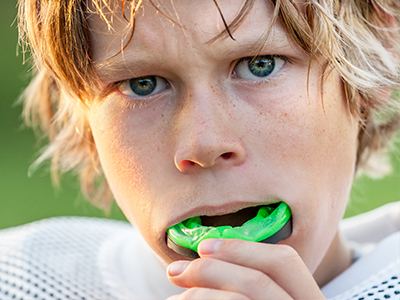
Sports-related impacts can damage teeth, soft tissues, and even the jaw. While some athletic activities carry obvious risks, many injuries happen during seemingly low-contact moments — a stray elbow, a fall on turf, or a ball that takes an unexpected bounce. A properly fitted mouthguard acts as a simple, effective barrier that absorbs and disperses force, reducing the chance of chipped teeth, lacerated lips, and concussions that can be aggravated by jaw trauma.
For parents and athletes weighing prevention against the consequences of an injury, think of a mouthguard as basic protective equipment: like a helmet for the head or pads for the shoulders. It’s not only about preserving a smile; it's about minimizing interruptions to school, seasonal schedules, and long-term oral health. When the jaw or teeth are damaged, treatment can be complex and take months — prevention is by far the most efficient approach.
Wearing a guard also supports quicker recovery and fewer secondary problems. By helping to stabilize the jaw and shield the mouth’s soft tissues, mouthguards reduce the risk of emergency dental visits and surgeries. This is particularly important for growing athletes, where trauma can affect development and lead to lifelong complications if not prevented.
There are three main categories of sports mouthguards: stock (ready-to-wear), boil-and-bite, and custom-made. Stock guards are inexpensive and available at most sporting goods stores; however, they are bulky, difficult to adapt to an individual mouth, and often compromise breathing and speech. Boil-and-bite models offer some improvement because they soften in hot water and conform partially to the teeth, but fit and long-term comfort can still be inconsistent.
Custom mouthguards are the gold standard for protection and comfort. Fabricated from impressions of your teeth, these devices are tailored to your bite, anatomy, and activity level. They provide superior retention, thinner profiles for easier breathing, and balanced coverage that reduces the risk of dislodgement during play. For athletes with braces, bridges, or other dental work, a custom solution can be adjusted to protect appliances and surrounding tissues more effectively than off-the-shelf options.
Choosing the right type depends on the sport, the athlete’s age and dental situation, and how often the guard will be used. For casual or infrequent users, a boil-and-bite guard may be a reasonable short-term option. For competitive players, contact athletes, or anyone with restorative dental work, a custom guard made by a dental professional provides the best combination of protection, durability, and comfort.
Orthodontic appliances and recent dental work change the way a guard must fit. Brackets and wires create additional pressure points and can trap debris, so a guard built without accounting for these features may cause irritation or damage. Youth athletes who are still growing also need guards that leave room for development while offering reliable protection. A dentist can recommend materials and designs that accommodate these variables.
For contact sports with high collision risk, extended coverage or thicker shock-absorbing layers may be advised. Conversely, athletes who need to communicate frequently — coaches, catchers, or quarterbacks — benefit from thinner, custom-fitted guards that allow clearer speech and easier breathing. Women, adolescents, and players with smaller jaws sometimes require scaled or contoured designs for an effective fit without excess bulk.
If you or your child has a history of dental restorations, missing teeth, or temporomandibular joint (TMJ) concerns, mention this during the consultation. These conditions influence material choice and guard architecture. A thoughtful clinical assessment leads to a design that protects vulnerable areas while maintaining functionality and comfort during play.
The process for creating a custom mouthguard begins with an evaluation and a precise impression of the teeth. At the appointment, the dentist checks bite alignment, examines soft tissues, and discusses the athlete’s typical movements and level of contact. Using this information, the dental team recommends a material and thickness that balance protection with breathability and speech.
From the impression, a model is created and the guard is thermoformed or layered to exacting specifications. High-quality materials provide shock absorption without excessive bulk, and laboratory finishing ensures the guard seats properly and lacks abrasion points. Once fabricated, the dentist performs a final fit check, trims any rough edges, and makes minor adjustments so the guard functions well with the athlete’s bite and facial anatomy.
Follow-up is part of the service: as teeth move, restorations are placed, or as children grow, the guard may need re-evaluation. The initial appointment also includes guidance on insertion, removal, and daily care to extend the life of the device. A well-made custom mouthguard should feel secure, allow comfortable breathing, and remain stable during forceful movements.
Proper daily care keeps a mouthguard sanitary and effective. Rinse it with cool water after every use and brush it gently with a soft toothbrush using mild, non-abrasive toothpaste or a recommended cleanser. Avoid hot water, which can distort the material, and never leave a guard in direct sunlight, a hot car, or near heaters. Store it in a ventilated case so it can dry between uses and resist bacterial growth.
Inspect the guard regularly for signs of wear: thinning, tears, or persistent odors are indications that protection is compromised. For athletes with ongoing orthodontic treatment, or for growing children, periodic replacement is normal and expected. If the guard becomes loose, uncomfortable, or no longer fits properly, schedule an evaluation; a poorly fitting device can increase injury risk rather than reduce it.
Routine checkups include a quick assessment of the guard’s condition, and our team can advise on repairs or replacements if needed. Keeping a backup guard on hand is a sensible precaution for frequent players, ensuring protection is available whenever practice or competition calls.
Selecting a dental provider who understands athletic demands and the technical aspects of mouthguard design makes a significant difference. A thoughtful clinician combines clinical assessment, quality materials, and precise fabrication to deliver a device that meets the athlete’s unique needs. Look for a practice that takes time to explain options, demonstrates fit, and provides clear instructions for care and follow-up.
At Strohman Family Dental, we focus on creating mouthguards that balance comfort with high-level protection, whether for youth leagues, high school teams, or adult recreational players. Our approach emphasizes individualized assessment so each guard performs effectively without interfering with breathing, speech, or play. We aim to make protection a seamless part of an athlete’s routine.
If you’re preparing for a season, managing orthodontic treatment, or simply evaluating protective gear, our team can walk you through the options and create a plan that fits the activity and the athlete. A custom mouthguard is an investment in safety that pays off by reducing the risk of dental trauma and preserving long-term oral health.
In summary, a well-fitted mouthguard is one of the most effective ways to prevent dental and facial injuries in sports. For personalized guidance and professional fabrication, please contact us to learn more about how we can help you or your athlete stay protected on and off the field.
Sports mouthguards are protective devices worn over the teeth and gums to absorb and disperse impact forces that occur during athletic activity. They create a cushioning layer that reduces the risk of chipped or broken teeth, lacerated lips and cheeks, and injuries to the jaw. By stabilizing the bite and limiting jaw movement, a properly fitted guard can also reduce the severity of forces transmitted to the temporomandibular joint.
Beyond preventing obvious dental damage, mouthguards help minimize interruptions to school, practice and competition by lowering the chance of emergency care and complex restorative treatment. They also protect soft tissues and any existing dental restorations from direct trauma. For growing athletes, consistent use reduces the likelihood of developmental complications following an injury.
The three primary categories are stock (ready-to-wear), boil-and-bite, and custom-made mouthguards. Stock guards are inexpensive but often bulky and poorly fitting, while boil-and-bite guards improve conformity by molding in hot water but can still compromise comfort or retention. Custom guards are made from impressions of the teeth and offer superior fit, thinner profiles and more reliable protection.
Your choice depends on activity level, frequency of use and dental conditions such as braces or restorations. For casual recreation a boil-and-bite option may suffice short term, but competitive athletes and players with dental work generally benefit most from a custom appliance. A dental professional can assess your needs and recommend the ideal balance of protection, comfort and breathability.
Any athlete participating in activities with a risk of facial contact or falls should wear a mouthguard, including sports commonly considered low-contact where accidents still occur. Children and adolescents should begin wearing a mouthguard as soon as they join teams or organized play, because dental injuries are common and can affect developing teeth and jaws. Coaches, parents and adult recreational players should also treat mouthguards as standard protective equipment.
Because jaw and tooth structure change with growth, young athletes need periodic re-evaluation and replacement to maintain an effective fit. Players with orthodontic appliances, dental restorations or a history of dental trauma are especially encouraged to use a custom guard. Making mouthguard use routine helps prevent long-term consequences and avoids interruptions to seasons and activities.
The custom fabrication process begins with a clinical evaluation and precise impressions or digital scans of the teeth, followed by a discussion of the athlete’s sport and breathing or speech needs. The laboratory then thermoforms or layers resilient materials over the model to create a tailored appliance that balances shock absorption with a slim profile. Final finishing removes sharp edges and ensures the guard seats securely without interfering with the bite.
At Strohman Family Dental the team performs a final fit check and makes minor adjustments so the guard functions well with the athlete’s anatomy and activity demands. You will receive instructions on insertion, removal and daily care, and the office will recommend a schedule for re-evaluation as teeth move or restorations change. The overall appointment time is typically short and results in a device that is more comfortable and protective than over-the-counter options.
Mouthguards primarily protect teeth and soft tissues, and they also help stabilize the jaw during impact which can reduce the transfer of force to the skull. While research on concussion prevention is mixed, a well-fitted mouthguard can lower the chance of jaw-related trauma that may contribute to head acceleration in some impacts. Their role is more clearly established for preventing dental fractures and soft tissue injuries than as a standalone concussion shield.
Design elements such as material density and thickness influence shock absorption, and custom guards allow clinicians to tailor those characteristics for high-contact athletes. Combined with proper helmets and safety protocols, mouthguards contribute to a layered approach to reducing overall injury risk. Athletes and coaches should view mouthguards as one important component of a comprehensive safety strategy.
Rinse the mouthguard with cool water immediately after use and brush it gently with a soft toothbrush using mild, non-abrasive toothpaste or a recommended cleanser. Avoid hot water and direct heat, as high temperatures can warp the material and change the fit. Store the guard in a ventilated case so it can dry between uses and to reduce bacterial growth.
Perform routine inspections for thinning, tears or persistent odors, and clean the case regularly as well. For deeper cleaning, use a denture or retainer cleaning solution according to manufacturer instructions, and always follow your dentist’s guidance on safe products. Proper daily care extends the life of the device and helps maintain oral hygiene.
Replace a mouthguard when you observe visible wear such as thinning, tears, deformities or if it no longer fits securely and comfortably. Growing children and athletes undergoing orthodontic treatment will need replacements more frequently as teeth and jaws change. A loose or distorted guard can reduce protection and may increase injury risk rather than prevent it.
Minor repairs are occasionally possible for noncustom devices, but custom mouthguards are generally replaced rather than extensively repaired to ensure consistent protection and fit. Schedule a dental evaluation if you notice changes in fit, new dental work, or if the guard shows signs of damage—your dental team can recommend the best next step and timing for a new appliance.
Orthodontic appliances create additional pressure points and can trap debris under a poorly fitting guard, so athletes with braces require guards designed to accommodate brackets and wires without causing irritation. Similarly, bridges, implants or missing teeth change the mouth’s geometry and demand tailored protection to shield restorations and adjacent tissues. A dentist will assess these variables and choose materials and a design that protect both natural teeth and dental work.
Custom mouthguards are often the preferred option for athletes with dental appliances because they can be fabricated to clear orthodontic hardware and to distribute forces safely. Regular monitoring is important while braces are active, since ongoing adjustments change the fit. Communicate any recent dental treatment or concerns to your clinician before fabrication so the guard can be optimized for current needs.
Fit directly influences comfort, retention and the ability to breathe and communicate while wearing a guard. An overly bulky or ill-fitting guard can impede airflow and speech, which may discourage consistent use or affect performance during play. Custom guards provide a thinner, contoured profile that preserves airway space and allows clearer speech compared with most stock or boil-and-bite options.
During the fitting process, clinicians evaluate how the guard interacts with lip posture, jaw position and breathing patterns and make adjustments to balance protection with functionality. Athletes who need frequent vocal communication benefit from designs that prioritize minimal interference with speech. A well-fitting guard should feel secure, allow normal breathing and remain stable during sudden movements.
To obtain a custom mouthguard begin with a routine evaluation so the dentist can examine your bite, dental restorations and any orthodontic considerations relevant to design. The team will take impressions or digital scans, discuss the athlete’s sport and breathing or speech needs, and recommend materials and thickness that best match those requirements. The lab then fabricates the guard to exacting specifications and the clinician performs a final fit and adjustment.
Following delivery you will receive instructions on insertion, removal and cleaning along with recommendations for periodic rechecks as teeth move or restorations change. The office schedules follow-up visits to confirm continued fit and function, helping ensure the guard remains an effective part of your protective routine. Contact the practice to arrange an evaluation and begin the custom fabrication process.