Being told a tooth needs a root canal can feel daunting, but modern endodontic care is designed to relieve pain and preserve your natural tooth with predictable results. Today's techniques and instruments make root canal treatment a routine, comfortable procedure that often restores function and protects the rest of your smile.
We blend technical expertise with patient-centered care to make the process as straightforward as possible. At the office of Strohman Family Dental, our goal is to help you understand why root canal therapy is recommended and what you can expect at each step so you can make informed decisions about your oral health.
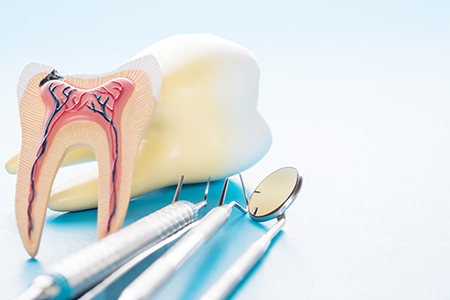
Root canal therapy is fundamentally about preserving what nature gave you: your natural tooth. When the soft tissues inside a tooth (the pulp) become inflamed or infected, removing that damaged tissue and sealing the canals restores the tooth’s health and prevents the infection from spreading to surrounding bone and gum tissues.
Compared with extraction, saving a tooth with a root canal helps maintain normal chewing function, prevents shifting of neighboring teeth, and preserves the jawbone that supports the tooth. Restoring a treated tooth with a crown or durable filling helps it withstand normal bite forces for many years.
Success rates for contemporary root canal treatments are generally high when the procedure is performed promptly and followed by appropriate restoration and maintenance. Your dentist will evaluate the tooth’s structure and surrounding bone to determine whether root canal therapy is the best path to long-term oral health.

Not every toothache means you need a root canal, but certain symptoms commonly indicate that the inner tissues of a tooth are compromised. The dental pulp contains nerves and blood vessels that keep a tooth alive; once that tissue is injured or infected, it can cause a range of sensations and problems that warrant prompt attention.
Symptoms can be sudden or develop slowly. Some patients report heightened sensitivity to hot or cold that lingers, while others experience sharp pain with biting or persistent, throbbing discomfort that disrupts sleep. Occasionally, a tooth may show little pain yet display signs on an X-ray that suggest internal damage.
Because early diagnosis improves the odds of a successful outcome, any persistent or unusual sensation in a tooth should be evaluated by a dental professional. Radiographs and clinical testing help determine whether the pulp is inflamed or irreversibly damaged and whether root canal therapy is recommended.
Here are common warning signs that often lead to a recommendation for root canal treatment:
Pain that is ongoing, intensifies over time, or wakes you from sleep is a common indicator of deep decay, trauma, or infection affecting the inner tissues of a tooth.
Brief sensitivity is normal, but if heat or cold causes a prolonged, sharp reaction, the nerve inside the tooth may be irritated or dying.
Pain with pressure can indicate inflammation or infection within the root structure or a cracked tooth that affects the pulp.
Discoloration can occur when internal tissues deteriorate after injury or infection. A darkened tooth may no longer have a healthy pulp.
Physical damage to a tooth can expose or traumatize the pulp, creating an environment where bacteria can invade and cause infection.
Gum swelling, sometimes accompanied by a pimple-like bump (fistula), can signal that infection has reached the root tip and is affecting surrounding tissues.
Advanced infection can damage the bone that supports a tooth, sometimes causing mobility that may be resolved once the infection is treated.

Early detection and treatment make a measurable difference in outcomes. A tooth with superficial damage can often be treated more conservatively, while a neglected infection can spread and require more complex care. Routine exams and radiographs frequently identify problematic teeth before severe symptoms develop.
Delaying care increases the risk of complications such as deeper bone involvement, worsening pain, or abscess formation. In some cases an infection can affect adjacent teeth or contribute to broader health concerns, so addressing the problem promptly protects both the tooth and overall well-being.
When your dentist recommends root canal therapy, it’s typically because preserving the tooth offers the best chance for a stable, long-term result. Treatment planning will consider the tooth’s restorability, the condition of surrounding bone, and your overall oral health goals.
Contemporary root canal therapy follows a clear sequence that focuses on comfort, infection control, and precise shaping and filling of the root canals. Most procedures begin with local anesthesia to numb the tooth and surrounding tissues, and additional comfort measures are available for patients with dental anxiety.
The dentist or endodontist accesses the pulp chamber, removes the diseased tissue, and carefully cleans and shapes each canal to remove bacteria and debris. Canals are then disinfected and filled with a biocompatible material to seal the space and prevent re-infection.
Some teeth can be treated in a single visit, while others—especially those with active infection or complex anatomy—may require two or more appointments. After the root canal phase is complete, the tooth typically needs a permanent restoration, such as a crown, to reinforce strength and protect the treated tooth from fracture.
Throughout the process your provider will explain each step, discuss any sedation options you may prefer, and outline follow-up care to promote healing and long-term success.
After treatment, it’s normal to experience some tenderness or mild discomfort as surrounding tissues heal. This is usually manageable with over-the-counter pain relievers and typically subsides within a few days. Your dentist will provide guidance on pain control and when to seek further evaluation if symptoms persist.
You may feel numbness in the treated area for an hour or two after the appointment; protecting your lips and tongue until sensation returns helps avoid accidental injury. It’s also wise to avoid chewing hard or sticky foods on the treated tooth until it has been permanently restored.
If antibiotics were prescribed because an infection was present, complete the full course as directed. Maintaining excellent oral hygiene—brushing gently around the area and flossing daily—supports healing and prevents future problems.
Root-treated teeth can be more fragile until restored. Using the opposite side for chewing and avoiding excessive pressure helps prevent fractures before a crown or permanent filling is placed.
While mild soreness is expected, increasing pain, persistent swelling, fever, or discharge warrant prompt re-evaluation so any complications can be addressed quickly.
With appropriate restoration and regular dental visits, a tooth that has undergone root canal therapy can remain functional for many years—even a lifetime. Routine check-ups help monitor healing and the integrity of the restoration.
At the office of Strohman Family Dental, we prioritize clear communication and thoughtful care so you understand the reasons for treatment and the steps involved. If you have questions about root canal therapy or are experiencing any of the symptoms described here, please contact us for more information and to schedule an evaluation.
Root canal therapy is a dental procedure that removes inflamed or infected tissue from inside a tooth to preserve the natural structure and eliminate pain. The treatment involves cleaning, shaping, disinfecting and sealing the root canals to prevent reinfection. By treating the internal tissues rather than extracting the tooth, root canal therapy helps maintain chewing function and the alignment of surrounding teeth.
Modern techniques and materials make the procedure predictable and comfortable for most patients, and many treated teeth remain functional for years with proper restoration. A root canal is often followed by a permanent filling or crown to reinforce the tooth and prevent fracture. Your dentist will explain the expected outcome and any additional steps needed to protect the restored tooth.
Preserving a natural tooth is generally preferable because it maintains normal chewing, supports adjacent teeth and helps preserve the jawbone. When a tooth’s pulp is compromised by deep decay, trauma or infection, root canal therapy can remove the damaged tissue while keeping the tooth in place. Saving the tooth often avoids the need for more complex replacement options and helps maintain long-term oral health.
The decision between root canal therapy and extraction depends on factors such as the amount of remaining tooth structure, the condition of surrounding bone and periodontal support, and your overall dental health. Your dentist will evaluate X-rays and perform clinical tests to determine the most appropriate, conservative treatment plan. If extraction becomes necessary, your provider will discuss restoration options to replace the missing tooth.
Common symptoms that may indicate the need for root canal therapy include persistent or severe tooth pain, prolonged sensitivity to hot or cold, and sharp discomfort when biting or chewing. You may also notice swelling of the gums, a pimple-like bump on the gum near the affected tooth, or a tooth that has changed color. Sometimes a tooth with internal damage produces little pain but shows changes on radiographs that require treatment.
Because symptoms vary and can mimic other dental problems, it is important to seek a professional evaluation when you experience unusual or persistent sensations. Early diagnosis increases the likelihood of a successful and conservative outcome. Your dentist will use clinical tests and imaging to determine whether the pulp is inflamed or irreversibly damaged and whether root canal therapy is recommended.
Diagnosis typically begins with a thorough clinical exam and a review of your symptoms, including tests for sensitivity to cold, heat and biting pressure. Radiographs (X-rays) are used to assess the extent of decay or infection, evaluate the root structure and check for bone changes around the root tip. Additional tools such as pulp vitality testing or cone-beam imaging may be used when anatomy or diagnosis is uncertain.
Based on the findings, your dentist will explain whether the pulp can be saved with root canal therapy or whether alternative treatment is indicated. Complex cases or unusual anatomy may prompt a referral to an endodontist, a specialist in root canal treatment, to maximize the chance of a successful outcome. The recommended plan will consider tooth restorability and your overall oral health goals.
Root canal treatment is performed under local anesthesia to ensure comfort and begins with creating an access opening to the pulp chamber. The clinician then removes the diseased tissue, cleans and shapes each canal using specialized instruments and irrigants to remove bacteria and debris. Once the canals are disinfected, they are filled with a biocompatible material to seal the space and prevent reinfection.
Some teeth are treated in a single visit, while others with active infection or complex anatomy may require two or more appointments and a temporary seal between visits. After the root canal phase, the tooth usually needs a permanent restoration such as a crown or onlay to restore strength and function. Your provider will discuss sedation options, the anticipated number of visits and the follow-up plan before treatment begins.
Most patients report minimal discomfort during the procedure because modern anesthesia and techniques effectively numb the tooth and surrounding tissues. Discomfort experienced before treatment is often due to infection and typically improves once the source of infection is removed. Dental teams also offer additional comfort measures for anxious patients to make the appointment more tolerable.
Some tenderness or mild soreness in the area is normal for a few days after treatment as surrounding tissues heal, and this is usually managed with over-the-counter pain relievers and home care. If pain increases, swelling persists or you develop fever or drainage, contact your dental office promptly for reassessment. These symptoms can indicate the need for further evaluation or additional treatment.
After the procedure, avoid chewing on the treated tooth until it has a permanent restoration to reduce the risk of fracture. Maintain excellent oral hygiene by brushing twice daily and flossing carefully around the treated tooth, and follow any specific instructions your dentist provides. If antibiotics were prescribed for an active infection, complete the full course as directed and notify the office if you have any adverse reactions.
Return visits are important to monitor healing and to place the definitive restoration, such as a crown, which helps protect the tooth from future problems. Report any persistent pain, swelling or changes in bite so your provider can evaluate the situation and address complications early. Regular dental checkups and radiographs help ensure the long-term success of the treated tooth.
Many root canal–treated teeth benefit from a crown because the procedure can leave the tooth more brittle and susceptible to fracture, especially molars that endure heavy chewing forces. A crown or an onlay restores strength, protects the remaining tooth structure and helps maintain a proper bite. The need for a crown depends on factors such as the amount of natural tooth remaining, the tooth’s location and functional demands.
Your dentist will evaluate the tooth and recommend the most appropriate restoration to balance conservation and durability. In some anterior teeth with minimal structural loss, a well-placed filling may suffice, while posterior teeth commonly require crowns. Timely restoration after root canal therapy is a key step in achieving long-term success.
Root canal therapy carries some risks, including persistent infection, canal anatomy that is difficult to clean, or later tooth fracture, but overall success rates are high when the procedure is performed properly and followed by an appropriate restoration. Occasionally a tooth may require retreatment, endodontic surgery or extraction if symptoms persist or the infection recurs. Your dentist will discuss these possibilities and the signs that warrant reassessment.
Early intervention and careful restorative planning improve the odds of a favorable long-term outcome, and routine dental examinations with periodic radiographs help monitor healing. Many root-treated teeth remain functional for decades when properly cared for, contributing to overall oral health and quality of life. Communication with your dental team about any new symptoms helps detect and address problems early.
Preventive care is the most effective way to lower the risk of needing root canal therapy. Daily brushing and flossing, regular dental exams and professional cleanings, prompt treatment of cavities and the use of protective devices like mouthguards during sports all help protect teeth from decay and trauma. Addressing cracked teeth, large restorations or persistent sensitivity early reduces the chance that internal tissue will become irreversibly damaged.
Maintaining a relationship with your dental provider supports timely diagnosis and conservative care when problems first appear. At Strohman Family Dental we emphasize prevention and individualized treatment planning to help patients preserve natural teeth and avoid more invasive procedures whenever possible. If you experience dental trauma or lingering tooth pain, seek evaluation promptly to improve the odds of a successful, conservative outcome.