Gum disease is the leading cause of adult tooth loss, yet it often develops quietly and without obvious pain. Recent public health data show that roughly half of adults over 30 experience some form of periodontal disease, which makes early recognition and consistent care essential. At the office of Strohman Family Dental, we provide thorough, evidence-based periodontal services designed to preserve natural teeth, protect supporting bone, and help patients keep healthy, comfortable smiles for life.
Periodontal disease starts when bacterial plaque and hardened deposits (tartar) accumulate along the gumline and under the gum tissue. This bacterial challenge triggers an inflammatory response in the periodontium — the soft tissue and bone that anchor teeth. If that inflammation persists, it can damage the attachments that hold teeth in place and gradually erode the underlying bone.
Because early stages of gum disease are often painless, many people miss the warning signs until more serious damage has occurred. Regular dental exams and professional cleanings are the most reliable ways to identify disease early, when non-surgical measures are most effective. Good daily oral care, combined with professional oversight, stops many problems before they escalate.
Knowing the common indicators of periodontal disease helps you recognize when to seek care. The following signs are commonly associated with active gum disease and merit prompt evaluation by a dental professional.
Common signs you should not ignore include:
Red, swollen, or tender gums that differ from your normal appearance
Bleeding during brushing or flossing, even when it seems minor
Gum recession or exposed root surfaces that make teeth look longer
Increased sensitivity to temperature and touch
Persistent bad breath or an unpleasant taste in the mouth
Teeth that feel loose or a change in how your bite comes together
New gaps appearing between teeth or shifting of previously stable teeth
Noticeable discharge around the gum margin
Pain when biting or chewing that comes from the supporting tissues
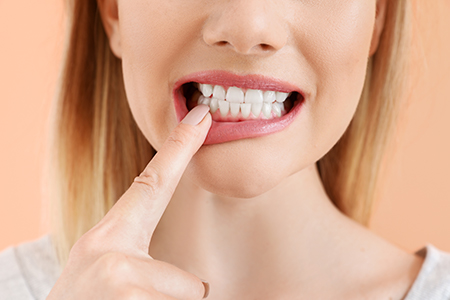
Oral health is closely connected to overall health. Chronic inflammation in the gums has been linked in research to a higher risk of systemic conditions such as cardiovascular disease, complications with diabetes management, and certain respiratory issues. Addressing periodontal inflammation reduces local infection and contributes to a healthier inflammatory profile for the body.
Maintaining strong periodontal health protects the bone and soft tissues that support teeth, preserves chewing function, and helps avoid more invasive procedures later on. Preventive care and timely treatment are practical investments in long-term oral stability and general well-being.
Our approach emphasizes prevention, careful monitoring, and individualized treatment plans that consider each patient’s medical history and oral condition. Early intervention often prevents the pattern of progressive tissue loss that characterizes advanced periodontal disease.
Gingivitis is the earliest, reversible stage of periodontal disease. At this point inflammation of the gums is present, but the deeper connective tissues and bone remain intact. Gums may bleed easily, appear reddened, or feel slightly tender, but with proper care the condition is fully recoverable.
Treating gingivitis typically involves professional cleanings to remove plaque and tartar above and just below the gumline, combined with a reinforced home care plan. Improved brushing techniques, daily interdental cleaning, and a schedule of routine maintenance appointments usually restore tissue health.
When gingivitis is treated promptly, permanent damage is avoided. This makes regular dental visits and honest conversations about oral hygiene crucial: early correction is far less involved than trying to manage disease after it advances.

If inflammation continues unchecked, gingivitis can progress to periodontitis. This stage involves destruction of the ligament and bone that secure teeth. As supporting tissues deteriorate, periodontal pockets form, gum tissue recedes, and teeth may loosen or change position.
Periodontitis is classified in degrees of severity, and treatment aims first to arrest disease progression and then to preserve or rebuild support when feasible. Left untreated, advanced periodontitis can result in tooth loss and create conditions that complicate other dental care, such as restorative or implant work.
Successful management combines mechanical removal of pathogenic biofilm with targeted adjuncts — whether topical antimicrobials, prescribed medications, or surgical intervention — depending on the depth and extent of tissue involvement.
Modern periodontal care ranges from conservative, non-surgical procedures to precision surgical techniques, and clinicians tailor therapy according to the patient’s needs. The initial priority is to reduce bacterial load and inflammation, promote reattachment where possible, and create an environment that supports long-term maintenance.
For many patients, sustained periodontal health is achieved through a combination of thorough initial therapy, reinforcement of daily home care, and regular professional maintenance visits. Periodontal maintenance intervals are individualized — often more frequent than standard cleanings — to keep inflammation under control and prevent recurrence.
Advances in technology and materials have expanded options for regenerating lost tissue and bone when indicated. These techniques can improve function and aesthetics and, in some cases, provide the foundation necessary for later restorative work.
Every treatment plan begins with a comprehensive assessment that reviews pocket depths, attachment levels, bone support, and contributing risk factors like tobacco use or certain medical conditions. Based on those findings, clinicians outline options that aim to halt disease and restore periodontal stability.
We organize care into clear treatment categories so patients understand the goals and expected steps. Conservative measures are emphasized when effective, while surgical approaches are reserved for cases where pockets or tissue damage cannot be managed non-surgically.
Throughout care, clinicians discuss the likely sequence of appointments and what outcomes can reasonably be expected, and they partner with patients to set realistic goals for long-term periodontal health.
Non-surgical therapy is the first line of treatment for many cases. Scaling and root planing remove plaque and tartar from below the gumline and smooth root surfaces so that inflamed tissue can heal and reattach. These procedures are performed with local anesthesia when needed to ensure patient comfort.
Adjunctive measures such as locally delivered antimicrobials or systemic medications can be used selectively to reduce harmful bacteria and support healing. Emphasis is placed on improving daily plaque control so the benefits of professional treatment are sustained.
When non-surgical care achieves the desired reduction in pocket depth and inflammation, patients typically transition to a periodontal maintenance schedule to preserve results and monitor for recurrence.
Surgery becomes an appropriate option when pocket depth, anatomy, or persistent inflammation prevent thorough cleaning by non-surgical means. The goals of surgery are to remove infected tissue, reduce pocket depth, recontour bone if necessary, and create conditions that support improved oral hygiene.
Common surgical techniques include flap (pocket reduction) surgery and procedures that augment lost bone or soft tissue. Flap surgery exposes root surfaces so they can be cleaned thoroughly and allows the clinician to reshape the area for healthier contours.
When regenerative techniques are applicable, bone grafts or guided tissue regeneration can encourage rebuilding of supporting structures. In select cases, laser-assisted procedures provide an alternative method to manage soft tissue while minimizing invasive steps.
For more information about periodontal care or to discuss an individualized treatment plan, please contact us to learn how we can help protect and restore your oral health.
Periodontal disease is an infection and inflammation of the tissues that surround and support the teeth, while gingivitis is the earliest, reversible stage confined to the gum tissue. Gingivitis causes redness, swelling and bleeding but does not yet damage the deeper connective tissue or bone. When inflammation progresses beyond the gumline it becomes periodontitis, which can lead to attachment loss and bone erosion.
Recognizing the distinction is important because gingivitis can usually be resolved with professional cleaning and improved home care, whereas periodontitis often requires more intensive therapy to control infection and preserve support. Early diagnosis and consistent follow-up prevent many small problems from becoming complex, long-term issues. A prompt, evidence-based approach gives the best chance of maintaining natural teeth for life.
Common signs that warrant a dental evaluation include gums that are red, swollen or tender and bleeding during brushing or flossing. Other indicators are persistent bad breath, a bad taste, increased tooth sensitivity, visible gum recession or roots that appear exposed. Patients may also notice loose teeth, new spacing or changes in their bite pattern.
Because early periodontal disease is often painless, routine exams and periodontal probing are essential to detect problems before noticeable symptoms appear. If you experience any of the signs described, a timely assessment allows clinicians to recommend the least invasive and most effective treatments. Prompt action reduces the risk of progressive tissue loss and the need for complex procedures later on.
Risk factors for periodontal disease include tobacco use, uncontrolled diabetes, a family history of aggressive gum disease, certain medications that reduce saliva flow, and older age. Poor oral hygiene, heavy plaque buildup and irregular dental visits also increase vulnerability by allowing bacterial biofilm to persist at and below the gumline. Stress, poor nutrition and some systemic conditions can further compromise the body’s ability to control oral inflammation.
Understanding individual risk helps clinicians tailor prevention and treatment plans to each patient’s needs, including more frequent monitoring when appropriate. Patients with known risk factors should communicate their medical history and lifestyle habits so the care team can recommend targeted strategies to reduce disease progression. Controlling systemic conditions and modifying behaviors like smoking are often important components of successful periodontal therapy.
Diagnosis begins with a comprehensive exam that includes periodontal probing to measure pocket depths, assessment of attachment levels, evaluation of gum recession and clinical signs of inflammation. Radiographs are used to assess the amount of supporting bone and to identify patterns of bone loss that are not visible clinically. A full medical and dental history is reviewed to identify contributing risk factors such as medications, systemic disease or tobacco use.
The results of these assessments are combined to classify severity and determine prognosis for individual teeth and the dentition as a whole. Based on these findings clinicians explain treatment options and expected outcomes, then develop a personalized plan that prioritizes disease control and long-term maintenance. Ongoing re-evaluation after treatment helps confirm healing and guides the frequency of supportive care.
Non-surgical periodontal therapy typically includes scaling and root planing, a deep-cleaning procedure that removes plaque and hardened deposits from below the gumline and smooths root surfaces to discourage bacterial reattachment. These procedures are often performed with local anesthesia for patient comfort and may be combined with locally delivered antimicrobials or systemic medications when indicated. The goal is to reduce bacterial load and inflammation so gum tissue can heal and reattach to the tooth surface.
Non-surgical care is the first line of treatment for many patients and is often sufficient when pockets respond and inflammation diminishes. After initial therapy patients transition to a periodontal maintenance schedule with more frequent professional cleanings and monitoring. Success depends on the quality of home care, control of risk factors and adherence to follow-up visits.
Surgical periodontal procedures are considered when pocket depth, anatomy or persistent inflammation prevent adequate cleaning and resolution of disease by non-surgical means. Common surgical treatments include flap or pocket reduction surgery to expose and thoroughly debride root surfaces, recontouring of bone to create healthier architecture, and soft tissue grafting to replace lost gum tissue. These procedures aim to reduce pocket depths, remove diseased tissue and create conditions that support easier hygiene and long-term stability.
Regenerative techniques such as bone grafts and guided tissue regeneration may be used when there is an opportunity to rebuild lost support. In some cases laser-assisted surgery is an adjunct that can reduce soft-tissue trauma and enhance healing, but it is selected based on clinical needs and evidence of benefit. Your clinician will explain the rationale for any recommended surgical approach and review expected healing, follow-up, and maintenance requirements.
Yes, in many cases lost bone and soft tissue can be at least partially regenerated using contemporary surgical techniques. Bone graft materials, biologic modifiers and guided tissue regeneration membranes are commonly used to stimulate new bone growth and encourage reattachment of periodontal ligaments. Soft tissue grafts can restore gum thickness and root coverage to improve function and reduce sensitivity.
Outcomes depend on the extent of the original damage, the patient’s health and habits, and how consistently postoperative and maintenance care are followed. While regeneration can significantly improve support and prognosis for affected teeth, clinicians set realistic expectations and combine regenerative therapy with strict infection control and maintenance to maximize long-term success.
Periodontal maintenance intervals are individualized based on the severity of disease, response to treatment and ongoing risk factors, but they are typically more frequent than standard cleanings. Many patients benefit from recall visits every three months, while others with stable conditions or lower risk may be seen at longer intervals. These visits include careful monitoring, professional removal of plaque and calculus and a review of home care practices.
Regular maintenance is essential to prevent recurrence because periodontal disease is chronic and can reemerge if bacterial biofilm is allowed to accumulate. During maintenance appointments clinicians reassess pocket depths and attachment levels and make adjustments to the care plan as needed. Consistent follow-up provides the best protection for sustaining results achieved during active treatment.
Effective daily oral hygiene is the foundation of prevention and includes brushing twice a day with a fluoride toothpaste and cleaning between teeth once daily with interdental brushes or floss. Using an appropriate antimicrobial mouthrinse can help reduce bacterial levels, and smoking cessation greatly improves treatment outcomes and healing. Managing systemic health conditions such as diabetes and maintaining a balanced diet also support oral tissue health.
Regular professional care and honest communication with your dental team are important complements to home care because clinicians can identify early changes and reinforce technique. Small, consistent habits protect periodontal health and reduce the need for more extensive intervention. If you have specific concerns your clinician can recommend targeted tools and a maintenance schedule tailored to your needs.
At Strohman Family Dental you can expect a thorough evaluation followed by a clear explanation of proposed procedures and their goals before any treatment begins. For non-surgical visits the team typically provides local anesthesia when needed, performs careful scaling and root planing, and recommends adjunctive therapies only when clinically appropriate. Comfort, infection control and patient education are emphasized so you understand the steps that support healing.
If surgical therapy is recommended the appointment will include a review of the procedure, expected healing timeline and postoperative instructions to promote predictable recovery. The clinical team schedules follow-up and maintenance visits to monitor healing and reinforce home care. Throughout treatment clinicians collaborate with you to set realistic goals and prioritize long-term periodontal stability.