At the office of Strohman Family Dental, protecting and guiding a child's oral development is a responsibility we take seriously. Our pediatric program focuses on prevention, age-appropriate education, and gentle clinical care so children build confidence about dental visits and develop lifelong habits that support healthy smiles.
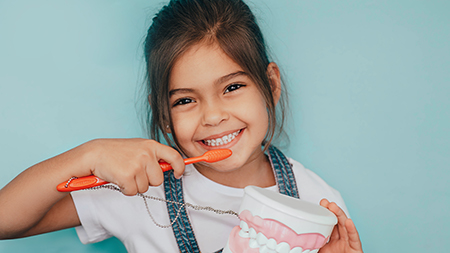
Healthy adult teeth grow out of daily routines that begin in childhood. Establishing simple, regular habits — supervised brushing, gentle flossing when teeth touch, and limiting sugary drinks — gives children the foundation they need to avoid decay and gum problems as they grow. Our team teaches techniques that are practical for busy families and realistic for each stage of development.
Beyond brushing and diet, early dental visits matter. When a child meets a dental team in a calm and welcoming setting, fears are less likely to form. We focus on creating positive first experiences so routine care becomes predictable rather than distressing. That early relationship also lets clinicians detect trends in growth and tooth development long before problems require more invasive attention.
Prevention is a partnership between families and clinicians. We provide clear, age-appropriate guidance so parents can confidently support at-home care. Gentle, consistent education empowers children to take pride in their oral health while helping parents understand milestones and warning signs that deserve professional attention.
Certain preventive measures are particularly effective for school-age children. Dental sealants form a barrier over molars' grooves where food and bacteria often collect, and topical fluoride applications help strengthen teeth against acids produced by plaque. These treatments are quick, painless, and designed for use when they will deliver the most benefit.
For active kids, custom-fitted mouthguards are another practical preventive tool. A properly fitted mouthguard reduces the risk of chipped or knocked-out teeth, and it helps protect soft tissue and the jaw during contact sports. We can advise families on when a stock product is adequate and when a custom solution is preferable.
Our approach is individualized: we consider a child’s age, risk factors, and daily habits before recommending treatments. Preventive care isn’t a one-size-fits-all checklist; it’s a tailored plan that fits a child’s lifestyle and evolving dental needs.
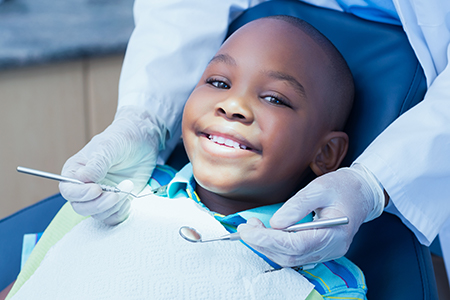
Regular dental checkups are the backbone of pediatric care. During each visit the clinician reviews medical history, assesses eruption patterns, evaluates gums and soft tissues, and screens for early signs of decay. These examinations allow us to spot small issues early, when they are easier to treat and less likely to affect overall growth.
Technology plays a supportive role: digital radiographs are used selectively to examine areas that aren’t visible in a clinical exam and to monitor the position of developing permanent teeth. Images are taken only when necessary and interpreted with an eye toward minimizing exposure while maximizing diagnostic value.
A professional cleaning removes plaque and tartar in places children — and sometimes caregivers — miss. These appointments also provide opportunities to reinforce home care, set realistic goals, and address questions about habits, oral hygiene products, and seasonal changes in diet or routines.
Tooth decay is one of the most common chronic conditions in children, and it can develop quickly if bacteria, sugar, and time combine unchecked. Even primary (baby) teeth matter: they help children eat, speak clearly, and maintain space for permanent teeth. Protecting them helps avoid pain, infection, and potential orthodontic complications later on.
Preventing decay hinges on daily care and smart feeding practices. Limiting prolonged exposure to sugary liquids, avoiding bottle-at-sleep habits that leave milk or juice pooling on teeth, and offering water between meals are practical changes that lower risk. We work with parents to identify small, sustainable adjustments that make a measurable difference.
Bring children for early dental visits to build familiarity with the office and clinicians.
Help infants and toddlers by wiping gums and brushing as soon as teeth appear.
Avoid letting a child fall asleep with a bottle containing anything other than water.
Schedule regular checkups and cleanings to monitor development and catch problems early.
Set a positive example: family routines make toothbrushing a normal part of the day.
Choose tooth-friendly snacks and replace sugary drinks with water whenever possible.
Support healthy transitions away from pacifiers and thumb-sucking at developmentally appropriate times.
Use a properly fitted mouthguard for children who participate in sports with contact or risk of falls.

Oral development begins long before all the baby teeth are visible. Regular attention to gum health, careful cleaning as teeth erupt, and a first dental visit around the first birthday help establish a baseline and offer parents guidance on what to expect. Early visits focus on comfort, simple examinations, and practical advice.
We recommend age-appropriate tools and techniques — from a soft cloth for an infant to a small, soft-bristled toothbrush for toddlers. These early routines are more about familiarization than precision, and our team coaches parents on how to protect freshly erupted enamel while encouraging independence as a child matures.
Teething can be uncomfortable, and parents often ask about safe ways to soothe sore gums. Cold toys, gentle gum massage, and distraction can help. Our clinicians are available to offer suggestions and to check for any signs that warrant further attention.
Children’s lives are active, and accidents or sudden dental pain can happen. A knocked-out tooth, a fractured tooth, or a painful infection requires prompt, knowledgeable care to protect a child’s long-term oral health. Our team is prepared to assess injuries quickly and recommend the steps that best preserve teeth and comfort.
Some children benefit from a modified approach to make visits manageable and safe — whether due to anxiety, sensory sensitivities, or developmental conditions. We work collaboratively with families to identify strategies that reduce stress and enable effective care, and we will discuss all reasonable options so parents can make informed choices.
When urgent issues arise we prioritize timely assessment and clear communication about next steps. Our goal is to resolve discomfort, protect developing teeth, and minimize disruption to a child’s routine and well-being.
As children enter school and begin to lose primary teeth, their dental needs evolve. Monitoring facial growth, bite relationships, and the timing of permanent teeth helps identify whether and when orthodontic evaluation may be helpful. Early observation allows families to consider interventions at developmentally appropriate moments.
We track eruption patterns and jaw development at routine visits and discuss any signs that could benefit from early orthodontic input. While not every child requires treatment, timely identification of crowding, bite discrepancies, or functional issues can simplify care later and improve long-term outcomes.
School-age children also face unique challenges: snacks between classes, sports, and changing routines. Reinforcing daily habits and discussing practical protections like mouthguards and sealants keeps smiles healthy during these busy years.
Every exam includes an assessment of how the jaws and teeth are aligning as a child grows. We evaluate bite function, watch for asymmetric growth, and observe whether permanent teeth are tracking into optimal positions. If a concern emerges, we outline what to expect and coordinate with orthodontic specialists when early intervention could be advantageous.
A balanced diet supplies the nutrients children need for strong enamel and healthy gums. Limiting sticky, sugary snacks and encouraging whole foods, dairy or fortified alternatives, vegetables, and water supports both oral and overall health. Small changes in daily food choices often produce big improvements in cavity risk and tissue health over time.
In summary, thoughtful pediatric dental care blends prevention, gentle clinical techniques, and family education to protect developing smiles. Strohman Family Dental is committed to partnering with parents to create a positive dental experience and a practical plan for each child. Contact us to learn more about our pediatric services and how we can help your child thrive.
The American Academy of Pediatric Dentistry recommends a first visit by a child's first birthday or within six months of the first tooth erupting. Early visits focus on prevention, comfort and education rather than treatment, allowing the clinical team to establish a baseline for growth and oral health. Introducing a child to the dental office early reduces fear and helps parents learn practical care techniques.
At Strohman Family Dental the initial visit typically includes a gentle exam, guidance on home care and a discussion of feeding and fluoride practices. Clinicians use the visit to identify any early concerns and to create a personalized plan for checkups and preventive measures. Parents leave with clear, age-appropriate steps they can use that very day to protect their child's teeth.
Most children benefit from dental checkups and cleanings every six months, though frequency can vary based on individual risk factors. During these visits the clinician assesses eruption patterns, screens for decay, evaluates gum health and reinforces daily care routines with both child and caregiver. Regular checkups make it easier to catch small problems early when they are less invasive to treat.
If a child has higher cavity risk, developmental concerns or a history of rapid decay the dentist may recommend more frequent visits and additional preventive treatments. The schedule is individualized to balance effective monitoring with minimal disruption to family life. Clear communication ensures parents understand why a particular interval is advised and what to watch for between visits.
Preventive care for children commonly includes professional cleanings, topical fluoride applications and dental sealants for molars prone to decay. Fluoride helps strengthen enamel and is applied selectively based on need, while sealants create a protective barrier in grooves where food and bacteria collect. These in-office measures are quick, painless and targeted to the ages and teeth that benefit most.
Preventive care also encompasses individualized education on brushing, flossing and diet that parents can apply at home. Clinicians evaluate each child’s risk factors—such as frequent snacking or a history of cavities—and recommend the right combination of services. A tailored prevention plan reduces the likelihood of future restorative work and supports long-term oral health.
Early childhood tooth decay is largely preventable with consistent home care and smart feeding practices. Parents should avoid putting a child to bed with bottles containing anything other than water, limit sugary drinks and encourage water between meals to reduce prolonged sugar exposure. Wiping gums for infants and starting brushing as soon as teeth erupt are practical habits that make a big difference.
Routine dental visits provide an opportunity to reinforce these behaviors and to catch developing problems before they progress. Clinicians offer age-appropriate coaching and demonstrate techniques that work for busy families, such as supervised brushing and flossing when teeth touch. Small, sustainable changes in daily routines often lead to measurable declines in cavity risk.
Prompt assessment is important whenever a child has a knocked-out tooth, a fractured tooth or sudden severe pain. Contact the dental office as soon as possible so the team can advise on immediate steps, which may include preserving a knocked-out tooth in milk or saline and bringing the child in for evaluation. Quick action can improve the chances of saving a tooth and limit complications.
At the visit the clinician will assess the injury, address pain and outline follow-up care to protect developing teeth and supporting tissues. Imaging may be used selectively to evaluate the extent of damage and to guide treatment while minimizing exposure. Clear instructions and timely treatment help restore comfort and reduce the risk of longer-term problems.
The dental team uses a variety of gentle, evidence-based strategies to make visits manageable for anxious children and those with special needs. Approaches include a calm, predictable environment, clear explanations at the child’s level, sensory-aware modifications and short, stepwise introductions to procedures to build trust. When needed, the team will work closely with caregivers to create a personalized plan that reduces stress and supports cooperation.
For children who require additional accommodations the practice discusses reasonable options and coordinates care to ensure safety and effectiveness. Communication among parents, clinicians and any other involved professionals is emphasized to prepare for visits and transitions. The goal is to provide respectful, practical care that maintains oral health while minimizing anxiety and discomfort.
Sealants are most effective on newly erupted permanent molars and premolars because those teeth have deep grooves where decay often starts. Fluoride varnish can be beneficial for both primary and permanent teeth when applied at intervals recommended by the clinician based on risk. Both treatments are fast, painless and selected to provide the greatest preventive value at specific developmental stages.
The dentist evaluates each child’s cavity risk, oral hygiene habits and dietary patterns before recommending sealants or fluoride. Families receive clear explanations about the expected benefits, how long effects typically last and when reapplication or monitoring will be needed. Combining in-office preventive measures with consistent home care provides the best protection.
Oral care begins before teeth appear, with gentle gum cleaning after feedings and attention to soothing techniques during teething. For infants, a soft cloth or age-appropriate brush can be used to wipe gums and newly erupted teeth, while cold teething toys and gentle gum massage help relieve discomfort. Clinicians provide guidance on safe soothing options and on when symptoms warrant further evaluation.
Early visits allow the dental team to demonstrate techniques and to set realistic expectations for parents as teething progresses. Education includes advice on introducing a toothbrush, appropriate toothpaste use and preventing sleep-time feeding habits that increase decay risk. These early routines build familiarity and help children adapt to regular oral care.
Orthodontic concerns are commonly monitored during routine pediatric visits so issues such as crowding, bite discrepancies or asymmetric jaw growth are identified early. While not every child needs treatment, timely evaluation can reveal whether interceptive measures or referral to an orthodontic specialist would simplify future care. The dental team tracks eruption patterns and facial growth and will discuss what to expect as permanent teeth come in.
If signs suggest early intervention could be beneficial the clinician outlines potential options, timing and goals without pressuring immediate treatment. Coordination with orthodontic specialists ensures families receive informed guidance tailored to the child’s development. Regular observation often enables less invasive approaches and better long-term outcomes when treatment is indicated.
Daily habits such as twice-daily brushing with a fluoride toothpaste, flossing when teeth touch and drinking water instead of sugary beverages form the foundation of good oral health. Limiting sticky, sugary snacks and encouraging balanced meals with dairy or fortified alternatives, vegetables and lean proteins contribute to strong enamel and healthy gums. Parents are encouraged to model these behaviors so children adopt them as normal parts of family life.
The dental team offers specific, age-appropriate recommendations during visits and helps families set achievable goals. Small, consistent changes—like swapping juice for water or establishing a supervised brushing routine—often produce measurable improvements in cavity risk over time. Combining home care, smart nutrition and regular dental monitoring keeps developing smiles healthy and confident.