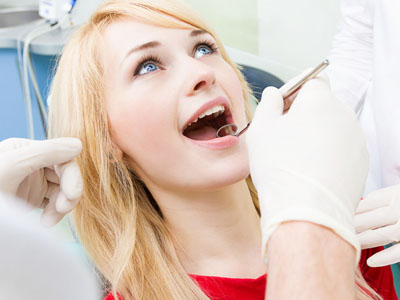
At Strohman Family Dental, we take a preventative approach to care because the best outcomes start before problems begin. Regular oral exams let our team discover small issues early, monitor long-term changes, and give patients clear guidance on keeping their mouths healthy. Our preventive services include comprehensive exams, professional cleanings, oral cancer screenings, and practical education about brushing, flossing, diet, and habits that affect oral health.
Your initial appointment is designed to establish a detailed baseline so future visits can be compared with confidence. We'll begin by reviewing your medical and dental histories and asking about any current symptoms or concerns. Understanding medications, past treatments, and lifestyle factors helps us tailor the exam to your unique needs and risks.
The clinical portion of the visit covers a careful inspection of teeth, gums, and soft tissues, plus an assessment of bite and jaw function. We evaluate periodontal health, check for signs of clenching or grinding, and screen for oral lesions that might warrant closer observation. When appropriate, we also assess the temporomandibular joint (TMJ) to identify any functional issues that can affect comfort and chewing.
To complete a thorough evaluation, diagnostic imaging may be recommended. X-rays or other scans can reveal decay between teeth, bone levels around roots, and other conditions not visible to the naked eye. After the exam and imaging, we review our findings with you, explain recommended next steps in plain language, and collaborate on a plan that fits your priorities and health goals.
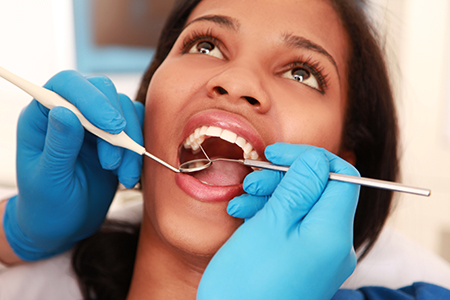
Oral health is tightly linked with overall health. Changes in the mouth can be early signals of broader medical conditions, and conversely, systemic diseases may first show signs on oral tissues. During routine exams, we look not only for cavities and gum disease but also for patterns that could indicate nutritional deficiencies, autoimmune conditions, or other health concerns.
Emerging research continues to reveal connections between dental disease and chronic illnesses. For example, untreated periodontal inflammation is associated with an increased risk of cardiovascular complications, and oral infections can complicate diabetes management. Recognizing these relationships helps us emphasize prevention and timely intervention.
At the same time, many systemic disorders produce oral symptoms such as dry mouth, unusual sores, persistent bad breath, or bleeding gums. Identifying these signs during an oral exam allows us to recommend appropriate medical follow-up when necessary and to coordinate care with your other healthcare providers.
Digestive disorders
Respiratory problems
Cardiovascular disease
Stroke
Diabetes
Neurocognitive concerns such as Alzheimer’s disease

Good daily brushing and flossing are essential, but routine professional care closes the gaps home cleaning can miss. During a hygiene visit our dental hygienist removes hardened plaque (tartar), polishes surface stains, and evaluates areas that are difficult to reach. This reduces the bacteria that fuel cavities and gum disease and helps preserve tooth structure and gum support over time.
Regular checkups give us the chance to detect early warning signs—tiny cavities, gingival inflammation, or early enamel wear—when treatment can be conservative and predictable. Preventive visits also provide an opportunity for personalized coaching on technique, product recommendations, and habit adjustments that strengthen your daily routine.
We encourage patients to maintain a schedule of routine exams and cleanings so we can monitor trends rather than react to acute problems. For children, these visits are doubly important: we support healthy habits, track jaw and tooth development, and identify any early orthodontic indicators that may benefit from attention as they grow.
Our goal is to make every visit informative and comfortable. We explain what we find, outline options when treatment is needed, and work with you to develop an ongoing plan that keeps your mouth healthy and your care predictable.
Visual inspection alone cannot show the full picture. Diagnostic images let us see beneath the enamel and examine the roots, bone levels, developing teeth, and the spaces between teeth where decay often begins. X-rays are an essential part of a complete oral exam because they help us identify conditions before they become painful or extensive.
Modern digital radiography delivers clear images quickly while minimizing radiation exposure. Digital sensors and software enable fast review, side-by-side comparisons with earlier images, and secure storage in your electronic record. These capabilities improve accuracy, speed up diagnosis, and facilitate coordinated care when multiple clinicians are involved.
Beyond detection, imaging supports treatment planning. Whether evaluating the health of a root, checking for bone loss around teeth, or verifying the position of an impacted tooth, radiographs provide the data we need to make confident clinical decisions and to explain those choices to you.
Because digital images are efficient and stable, they also make it easier to track small changes over time. That longitudinal view is one of the reasons routine imaging—when indicated—adds significant value to preventive care.
Quicker with minimal exposure to x-ray radiation
Images can be viewed immediately after acquisition
Images can be electronically shared
Digital radiographs do not require any developing chemicals, create less waste, and are safer for the environment
Images are immediately stored in the patient's electronic file, where they can be easily viewed on a screen, shared, or printed out.
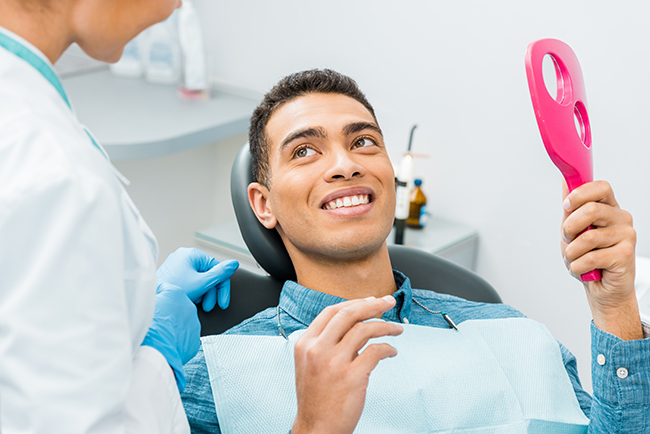
Your exam may call for one or more kinds of images depending on the clinical questions we need to answer. A periapical film focuses on a single tooth from crown to root and is useful for evaluating root health and bone immediately surrounding a tooth. Bitewing films capture the upper and lower teeth together and are especially effective at revealing early interproximal decay.
A full-mouth series combines multiple small images to document every tooth and is often used when a comprehensive baseline is needed. Panoramic films provide a broad two-dimensional view of the jaws, erupting teeth, and general bone contours—useful for planning extractions, evaluating developing dentition, or screening for larger-scale issues.
Cephalometric films offer a profile view of the facial skeleton and are commonly used in orthodontic assessment and planning. For complex surgical planning or implant placement, three-dimensional imaging with cone-beam computed tomography (CBCT) gives precise views of bone anatomy, nerve pathways, and sinus relationships so treatment can be delivered with greater predictability.
We select imaging with the goal of answering specific diagnostic questions while keeping exposure as low as reasonably practicable. When we recommend radiographs or scans, we’ll explain why they’re helpful and how the information will guide your care.
We aim to make oral exams a straightforward, informative part of your preventive care. By combining careful visual assessment, appropriate imaging, and clear communication, our team helps patients protect their smiles and overall health. To learn more about how oral exams can benefit you or a family member, please contact us for additional information.
An oral exam is a comprehensive clinical assessment of the teeth, gums, soft tissues, jaw function, and related structures. It goes beyond a visual check to include periodontal evaluation, bite assessment, screening for oral lesions, and identification of early tooth decay. Regular exams catch small problems early, making treatment simpler and helping preserve long-term oral health.
By detecting issues before they progress, oral exams reduce the likelihood of complex procedures and improve predictability of care. They also provide an opportunity to reinforce home care habits and to recommend tailored preventive measures such as fluoride or habit modification. Overall, consistent exams form the cornerstone of preventive dentistry and support overall well-being.
Your first oral exam establishes a detailed baseline by reviewing medical and dental histories, current medications, and any symptoms or concerns you may have. This information helps the clinician tailor the exam to your unique needs and to identify risk factors such as tobacco use, systemic conditions, or previous dental work. A thorough clinical inspection follows, covering teeth, gums, soft tissues, bite, and jaw function.
When indicated, diagnostic imaging such as bitewings or periapicals is taken to reveal decay between teeth and assess bone levels around roots. After examination and any imaging, the team reviews findings in plain language, outlines recommended next steps, and answers questions so you understand proposed care. At Strohman Family Dental we collaborate with patients to create a personalized and preventive plan that reflects their priorities and oral health goals.
Most patients benefit from routine oral exams and cleanings every six months, though frequency may vary based on individual risk factors. People with active gum disease, a history of frequent cavities, or certain medical conditions may need more frequent visits for monitoring and preventive care. Your clinician will recommend a schedule that balances thorough surveillance with minimizing unnecessary visits.
Children, older adults, and patients with complex medical histories often require tailored intervals to track development, restorations, or systemic interactions. Regularly scheduled exams allow clinicians to compare findings over time, catch small changes early, and adjust preventive strategies as needed. Following a personalized recall plan supports stable oral health and reduces the chances of emergency treatment.
Oral cancer screening is an integral part of a comprehensive oral exam and involves a careful inspection of the lips, tongue, floor of mouth, cheeks, and other soft tissues. Clinicians look for persistent sores, unusual patches of color, lumps, or indurated areas that may require further evaluation. Early detection significantly improves treatment options and outcomes, which is why routine screening is emphasized.
If a suspicious area is identified, the dentist may monitor it closely, recommend adjunctive screening tools, or refer the patient for medical evaluation and biopsy when appropriate. Documenting findings and comparing them over time helps distinguish transient issues from lesions that warrant intervention. Patients are encouraged to report any persistent oral changes between visits so concerning signs can be evaluated promptly.
Several imaging options may be used depending on diagnostic needs, including bitewing films for interproximal decay and periapical images for detailed views of a single tooth and its root. Panoramic radiographs offer a broad two-dimensional view of the jaws, erupting teeth, and general bone contours useful for screening and treatment planning. Full-mouth series document every tooth and are sometimes used to establish a comprehensive baseline when needed, while cone-beam computed tomography (CBCT) provides three-dimensional detail for complex surgical planning or implant assessment.
Modern digital radiography delivers clear images quickly while minimizing radiation exposure and allowing fast side-by-side comparisons with prior studies. Digital images can be securely stored in the patient record and shared with specialists when coordinated care is required. Your dentist will choose imaging that answers the clinical question while keeping exposure as low as reasonably practicable.
Oral exams can reveal signs that reflect broader systemic conditions, since many medical diseases produce oral manifestations such as dry mouth, unusual sores, or bleeding gums. Research shows associations between periodontal inflammation and systemic issues like cardiovascular disease and diabetes, making dental surveillance part of comprehensive health management. Identifying oral signs early allows the dental team to recommend medical follow-up and to coordinate care with other providers.
This collaborative approach supports better health outcomes and can help manage conditions that interact with oral health. For example, uncontrolled diabetes can worsen gum disease, while chronic oral infections can complicate blood sugar control, so monitoring is mutually beneficial. Patients should inform their dentist about medical diagnoses and medications so exams can be tailored appropriately.
A professional cleaning performed by a dental hygienist removes hardened plaque (tartar), polishes surface stains, and evaluates areas that are hard to reach with daily brushing and flossing. Scaling and polishing reduce bacterial load and help prevent cavities and periodontal inflammation that can progress without intervention. The hygienist also measures pocket depths and records periodontal findings for ongoing monitoring.
Cleanings are an opportunity for personalized coaching on brushing, flossing, interdental tools, and product selection to strengthen home care routines. For patients with early gum disease, hygienists may recommend more frequent maintenance visits or adjunctive therapies to control inflammation. Clear communication about findings and practical steps empowers patients to maintain improvements between visits.
Oral exams for children emphasize growth and development, monitoring tooth eruption, jaw growth, and early signs of misalignment or bite problems. These visits also focus on establishing healthy habits, assessing fluoride needs, and addressing behavior that can impact dental development. Because children’s needs change quickly, clinicians often recommend recall intervals tailored to developmental stages.
Adult exams place additional emphasis on restorations, periodontal health, and screening for lesions that become more likely with age or lifestyle factors. Patients with chronic conditions or complex dental histories may require more focused assessments and coordinated care with medical providers. Continuity from pediatric to adult care helps ensure early concerns are tracked and managed as a patient matures.
Prepare for an oral exam by bringing a list of current medications, recent medical updates, and any dental records or x-rays if you are transferring care. Make a note of symptoms, pain, or changes you have observed in your mouth so you can describe them accurately to the clinician. Avoid eating sticky or staining foods immediately before a visit if possible, and arrive with routine oral hygiene completed.
Use the appointment to ask about preventive strategies, recommended imaging, or concerns related to oral-systemic connections so you leave informed. If you experience dental anxiety, let the team know ahead of time so they can offer comfort measures or scheduling accommodations. Clear communication and preparation help the visit run smoothly and ensure the care plan reflects your needs.
Follow-up recommendations depend on findings and may range from more frequent hygiene visits and topical treatments to restorative care for decay or referral for periodontal therapy. When imaging or clinical signs suggest a lesion or complex issue, the dentist may recommend monitoring, additional diagnostic testing, or referral to a specialist. The goal of any recommended treatment is to address problems early so interventions can be conservative and predictable.
Our team at Strohman Family Dental explains each option in clear terms, outlines expected outcomes, and partners with patients to prioritize care based on health needs and preferences. When referrals are appropriate, we coordinate with specialists to ensure records and imaging are shared and that care remains streamlined. Patients are encouraged to ask questions and to schedule recommended follow-up so small issues do not become larger problems.