Modern materials and refined techniques have made tooth replacement more natural-looking and functional than ever. While dental implants and fixed bridgework are excellent choices for many people, removable dentures continue to be a reliable option when a flexible, non-permanent solution is the right fit for a patient’s needs.
At Strohman Family Dental, we build dentures using durable, biocompatible materials and careful craftsmanship so each appliance fits comfortably and complements a patient’s facial features and remaining teeth. Our goal is to restore the ability to eat, speak, and smile with confidence while protecting oral health.
We approach denture care with practical, patient-focused planning. Every treatment begins with a thorough evaluation so the final appliance meets functional needs, looks natural, and works within each patient’s lifestyle.
Losing teeth changes much more than your smile. Gaps can alter how your bite meets, make certain foods difficult to chew, and make some sounds harder to form clearly. Over time, these functional changes can affect nutrition and social confidence.
When teeth are absent, the surrounding bone and soft tissues no longer receive the forces that help maintain their shape. This can lead to gradual bone loss and changes in facial contours that make the lower face appear shorter or collapsed. Replacing missing teeth helps preserve the jaw structure and supports facial appearance.
Addressing tooth loss proactively also helps protect the health of remaining teeth. Without replacement, adjacent teeth may drift or tilt into empty spaces, creating bite problems and making oral hygiene more difficult. A carefully designed denture can stabilize the bite and reduce the risk of secondary issues.
Removable dentures are prosthetic devices that sit on the gums and replace missing teeth and supporting structures. They are made up of artificial teeth set into a base that mimics the appearance of natural gum tissue. Because they are removable, patients can take them out for cleaning and overnight rest.
These appliances are versatile: partial dentures fill gaps when some natural teeth remain, while complete dentures replace an entire arch. The fit and retention of a denture depend on careful impressions, accurate bite records, and a design that accounts for each patient’s anatomy and oral function.
Removability also offers practical advantages. Being able to remove a denture allows thorough cleaning of both the appliance and the underlying tissues, which supports long-term oral health. For patients who prefer changeable solutions or those who are not candidates for fixed restorations, dentures remain a sensible, effective choice.
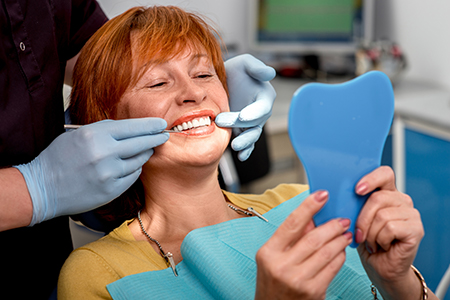
Selecting an appropriate denture begins with a clinical exam that considers the number of missing teeth, the condition of remaining teeth, and the shape and health of the jawbone and gums. Our recommendations balance durability, comfort, and natural appearance.
Removable dentures generally fall into two broad categories: complete dentures, which replace all teeth in an arch, and partial dentures, which restore gaps while preserving healthy adjacent teeth. The choice depends on how many teeth are present and whether those teeth provide reliable support.
Design, material options, and retention strategies vary widely today. Advances in acrylics and denture teeth give more lifelike color and translucency, while modern frameworks and attachments improve stability and reduce bulk where possible.
Complete dentures restore an entire upper or lower arch and are tailored to each patient’s unique jaw and soft tissue contours. A successful full denture provides adequate support for the lips and cheeks, enabling improved speech and eating while preserving facial structure as much as possible.
Some patients receive a conventional full denture after healing from extractions, allowing tissues to settle for a precise fit. Others choose an immediate denture that is placed at the time of tooth removal so they are never without teeth during healing. Immediate appliances often require adjustments as the mouth heals and reshapes.
Immediate Denture
An immediate denture is inserted right after teeth are removed so patients have a complete smile during healing. It provides psychological and functional benefits early on but typically needs periodic relines or an eventual conventional replacement as tissues change.
Overdenture
An overdenture gains extra stability by fitting over preserved tooth roots or specially placed attachments. This approach preserves bone and proprioception while offering improved retention compared with a conventional denture.
Implant-Supported Dentures
When appropriate, a denture can be designed to attach to dental implants. Implants provide secure anchor points that dramatically increase retention and chewing efficiency while keeping the appliance removable for hygiene.
Partial dentures replace one or several missing teeth and usually use clasps, precision attachments, or a supportive framework to connect to remaining teeth. A well-designed partial preserves the positions of natural teeth and helps distribute biting forces evenly.
Materials for partial frameworks include cast metal for strength, flexible resins for comfort and aesthetics, and hybrid options that blend rigidity with lower visibility. The optimal material depends on the patient’s anatomy and cosmetic goals.
At Strohman Family Dental, we evaluate the condition of any remaining teeth and the health of the gums and bone to recommend a partial design that maximizes stability and minimizes interference with oral hygiene.
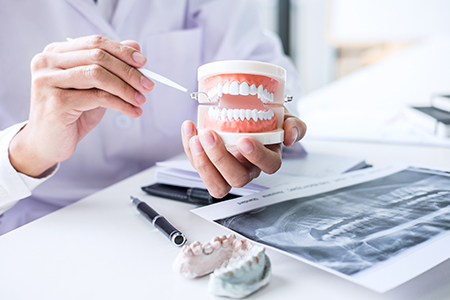
Making a denture is a multi-step process that blends clinical assessment, diagnostic imaging, and skilled laboratory work. We begin with a comprehensive history and exam to identify any conditions that must be addressed before prosthetic work begins.
Impressions, jaw records, and trial fittings allow us to refine tooth position, color, and the relationship between the upper and lower jaws. These steps ensure the finished denture supports clear speech, a comfortable bite, and a pleasing appearance.
When pre-prosthetic procedures are needed — such as smoothing bone ridges or extracting teeth that cannot be preserved — we discuss the sequence of care and expected healing so patients know what to expect. Coordination between clinical appointments and the dental laboratory is essential to produce an appliance that functions reliably.
Precision at every stage reduces the need for extensive adjustments later and helps the denture perform well for years. We emphasize follow-up care so fit and function are maintained as oral tissues change over time.

Adaptation is normal after receiving a denture. Speech and chewing may feel different at first, and mild soreness can occur as tissues acclimate. Most patients gain comfort and confidence within a few weeks with minor adjustments from the dental team.
Breaking in a new denture
Wear periods should increase gradually. Bring the denture to your adjustment visits so we can identify pressure points and relieve any sore areas. Regular checkups in the first few months are important to fine-tune fit and function.
Temporary changes in saliva
Saliva production often increases temporarily after a new appliance is placed, then settles down. This is a normal response while your mouth becomes used to the prosthesis.
Speaking and eating with confidence
Practice helps. Reading aloud and starting with soft foods makes the transition smoother. Over time, most patients regain the ability to eat a wide range of foods comfortably.
Care and hygiene routines
Rinse dentures after meals and brush them daily with a brush designed for prostheses. Soak overnight in water or a recommended denture cleaner to keep the appliance fresh and free of deposits.
Clean and massage the gums, tongue, and any remaining teeth gently to promote tissue health. If wearing an upper denture, rinse the roof of the mouth to remove food and buildup.
Remove dentures at night to allow tissues to rest. This habit supports gum health and helps prevent irritation and infection.
Options for added retention
Some patients benefit from adhesives, attachments, or implant anchors that increase a denture’s stability. We can evaluate retention needs and suggest solutions that fit each patient’s oral situation.
Ongoing checkups and relines
Oral tissues change over time; periodic relines or adjustments keep a denture comfortable and functional. Routine exams also let us monitor the health of any remaining teeth and detect issues early.
We are committed to helping patients achieve practical, long-lasting results with dentures that look natural and perform well. If you would like to learn more about denture options or the process, contact us for more information.
Removable dentures are prosthetic appliances that replace missing teeth and the supporting structures with artificial teeth set into a gum-colored base. The base rests on the gums and is designed to distribute biting forces across the available tissues while restoring the appearance of a natural smile. Because they are removable, patients can take dentures out for cleaning and overnight rest, which helps maintain oral hygiene. Proper impressions, bite records, and a well-designed base are essential for comfort and function.
Dentures restore basic chewing and speaking ability while supporting the lips and cheeks to preserve facial contours. Retention and stability depend on the design: upper dentures often use suction against the palate, partial dentures use clasps or attachments to remaining teeth, and some dentures can be secured with implants for greater hold. Regular adjustments and follow-up care help maintain fit as oral tissues change over time. With correct planning, a denture can provide a reliable, nonpermanent solution for many patients.
Good candidates for dentures include people who are missing several teeth or an entire dental arch and who prefer a removable option or are not suitable candidates for fixed restorations. A comprehensive oral exam is needed to evaluate gum health, bone support, and the condition of any remaining teeth before recommending a denture. Some patients choose partial dentures to preserve healthy teeth while restoring gaps, while others require complete dentures when all teeth in an arch are missing. Medical history, dexterity, and personal goals are also important factors in determining candidacy.
The practice will consider alternatives such as implant-supported restorations if the patient desires increased stability or if anatomy permits implant placement. For some patients, pre-prosthetic procedures like extractions or smoothing of bony ridges may be recommended prior to denture fabrication. The decision is individualized to balance comfort, function, and long-term oral health. Regular follow-up ensures the chosen solution continues to meet the patient’s needs.
The main categories of removable dentures are complete (full) dentures, which replace all teeth in an arch, and partial dentures, which restore one or several missing teeth while preserving healthy adjacent teeth. Variations include immediate dentures placed at the time of extractions, overdentures that fit over retained roots or attachments, and implant-supported dentures that attach to dental implants for enhanced retention. Materials vary from modern acrylics with lifelike teeth to metal frameworks or flexible resins for partials, and each option offers different tradeoffs in strength, bulk, and esthetics.
Choice of denture type depends on the number of missing teeth, the condition of remaining teeth and tissues, and the patient’s functional and cosmetic goals. Implant-retained options can significantly improve chewing efficiency and reduce movement, while conventional removable dentures are less invasive and easier to modify. Your dentist will explain which types are appropriate based on clinical findings and patient preference. A careful evaluation helps match the prosthesis to the individual’s lifestyle and oral anatomy.
The denture process is a multi-step sequence that begins with a thorough medical and dental history and a clinical examination to identify issues that must be addressed before prosthetic work. The clinician takes detailed impressions, records the bite relationship, and may use diagnostic models or digital scans to plan tooth position, shape, and occlusion. Trial or wax try-in appointments allow the patient and clinician to evaluate tooth arrangement, color, and facial support before the laboratory fabricates the final appliance. Precision at each stage reduces the need for extensive adjustments later.
When extractions or other pre-prosthetic procedures are required, the treatment timeline will include healing periods and coordination with the dental laboratory. After delivery, the denture is refined through adjustment visits to relieve pressure points and improve function. Periodic relines or repairs may be necessary as tissues change, and the practice emphasizes follow-up care to ensure long-term comfort and performance. Strohman Family Dental combines clinical expertise with modern materials to produce durable, well-fitting restorations.
An immediate denture is fabricated in advance and placed at the time of tooth removal so the patient leaves the appointment with teeth in place during the healing phase. This approach helps maintain appearance and function immediately after extractions, but it is important to expect changes as the gums and bone heal and remodel. Because tissues shrink during healing, immediate dentures usually require adjustments, relines, or eventual replacement with a conventional denture when the tissue contours stabilize. Early follow-up appointments are important to identify sore spots and make timely corrections.
During the initial healing period patients should follow instructions for rinsing, soft diet progression, and appliance care to support recovery and reduce irritation. Temporary increases in saliva, minor soreness, and changes in speech are common and generally decrease with time and practice. The clinician will monitor healing and advise on when a reline or a transition to a conventional denture is appropriate. Proper aftercare helps achieve the best possible fit and comfort as tissues mature.
Implant-supported dentures are removable or fixed prostheses that attach to dental implants placed in the jawbone, providing secure anchor points that enhance stability and chewing efficiency. These restorations transmit functional forces to the bone, which helps preserve bone volume and provide better proprioception compared with conventional removable dentures. Implant-supported options range from overdentures that snap onto attachments to fixed hybrid restorations that are not removed by the patient. The increased retention can make it easier to eat a wider variety of foods and reduce movement during speech.
Implant-supported dentures are recommended when the patient seeks improved stability, has adequate bone or is willing to undergo grafting, and is healthy enough for implant surgery. Treatment involves surgical implant placement, a healing period for osseointegration, and careful prosthetic design to ensure proper load distribution. The practice will review medical history, bone quality, and restorative goals to determine if implants are appropriate. Collaboration between surgical and restorative phases is essential for predictable outcomes.
Daily denture care includes removing and rinsing the prosthesis after eating to remove loose food particles and brushing the denture with a soft brush and nonabrasive cleaner to remove plaque and deposits. Dentures should be soaked overnight in water or an appropriate denture solution to keep acrylic from drying and warping, unless otherwise directed by the clinician. Avoid hot water and abrasive household cleaners that can damage the appliance. Regular removal and cleaning also protect oral tissues and help prevent irritation or infection.
It is equally important to clean and massage the gums, tongue, and any remaining natural teeth to maintain tissue health and reduce bacterial buildup. Handle dentures carefully to avoid dropping and inspect them periodically for cracks, loose teeth, or worn areas that need professional attention. Routine dental visits allow the clinician to assess fit, perform professional cleaning if needed, and recommend relines or repairs. Proper daily care extends the life of the prosthesis and supports oral health.
Receiving a new denture often causes temporary changes in speech and chewing that most patients adapt to over several weeks. Initial effects may include difficulty pronouncing certain sounds, increased saliva flow, and altered chewing patterns, and simple exercises like reading aloud and practicing with soft foods can accelerate adaptation. Starting with small bites and gradually introducing firmer foods helps retrain chewing muscles and improve confidence. Regular adjustment visits help correct areas that interfere with speech or mastication.
In many cases implant-supported or well-fitted dentures provide better function and predictability for harder foods compared with unstable conventional dentures. The clinician will evaluate occlusion and tooth arrangement during follow-up visits to optimize bite function. Long-term success depends on patience, practice, and communication with the dental team about any persistent problems. Timely refinements can significantly reduce discomfort and restore effective speech and eating.
The lifespan of dentures varies depending on materials, wear, and changes in the patient’s oral tissues, but most removable dentures require relining, repair, or replacement every five to ten years. Over time acrylic can wear, teeth can become flattened or stained, and the underlying bone and gum contours change, all of which affect fit and function. Loose-fitting dentures can create sore spots, impair chewing, and compromise oral hygiene, so it is important to address fit issues promptly. Regular dental examinations help detect when maintenance or replacement is needed.
Relining restores intimate contact between the denture base and the tissues when minor changes occur, while rebasing or replacing the denture may be necessary for more extensive wear or when esthetics and function cannot be satisfactorily improved. Repairs should be performed by a professional to maintain structural integrity and proper occlusion. The practice schedules routine follow-ups to monitor fit and recommend the appropriate intervention before problems become more serious. Proactive maintenance prolongs the useful life of the prosthesis and preserves oral health.
Strohman Family Dental takes a patient-centered approach that begins with a comprehensive evaluation to identify medical considerations, oral health needs, and the patient’s aesthetic and functional goals. We combine careful clinical planning with modern materials and laboratory techniques to design dentures that aim for comfort, durability, and a natural appearance. The process includes diagnostic records, trial fittings, and clear communication about what to expect during healing and adaptation. Attention to detail at each stage reduces the need for extensive adjustments later.
Follow-up care is an integral part of our approach, with scheduled visits to fine-tune fit, relieve pressure points, and monitor tissue health over time. We offer options to improve retention when appropriate, including attachments and implant-supported designs, and we emphasize education on daily cleaning and maintenance. Our goal is to deliver practical, long-lasting results while supporting the patient through every stage of treatment and recovery. If you have questions about denture options or the treatment sequence, the practice can provide a personalized evaluation and recommendation.