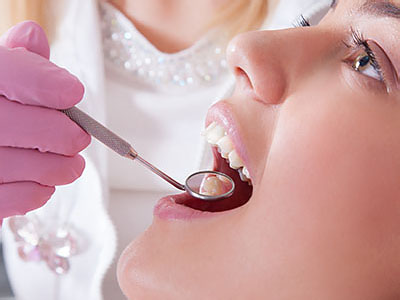
A filling does more than cover a spot of decay — it restores the tooth's shape, shields vulnerable dentin, and preserves chewing function so the rest of your mouth can stay healthy. When placed carefully, a modern restoration becomes part of the tooth’s structure and helps prevent small problems from becoming larger ones that require more invasive treatment.
Tooth decay still affects people of all ages, and treating cavities early tends to produce better outcomes with less disruption to your daily life. Filling a cavity is one of the most common procedures performed in general dentistry because it is predictable, efficient, and prevents further loss of tooth structure when done well.
At the office of Strohman Family Dental, we focus on conservative techniques and up-to-date materials that balance durability with a natural appearance. Our goal is to preserve as much healthy teeth as possible while returning the tooth to normal function and comfort.
Restorative dentistry has a long history of innovation. Early attempts at repairing teeth are found in archaeological records, but it was only in the modern era that reliable restorative materials became widely available. Over time, priorities shifted from sheer longevity toward combinations of strength, biocompatibility, and appearance.
Metal restorations such as gold and amalgam dominated for many decades because they were resilient and long-lasting. More recently, patient preferences and advances in material science have driven a move toward tooth-colored options that blend with the surrounding enamel while delivering excellent clinical performance.
Understanding the evolution of materials helps explain why today’s options offer a better balance between aesthetics and function. Each material has trade-offs, and selecting the right one depends on the tooth, the amount of decay, and what you want the restoration to achieve.
Every restoration starts with an assessment: how extensive is the decay, what remains of the tooth, and how do your bite and cosmetic goals influence the choice of material? We tailor the plan to protect the tooth’s long-term health while keeping your priorities front and center.
Our clinicians use techniques that conserve tooth structure, such as selective removal of decay and adhesive bonding when appropriate. This conservative mindset helps keep teeth stronger over time and often reduces the need for larger restorations later on.
We explain the options in plain language, outline what to expect during treatment, and answer questions about durability, maintenance, and any aesthetic considerations. The objective is to deliver a restoration that you can rely on and feel confident about.
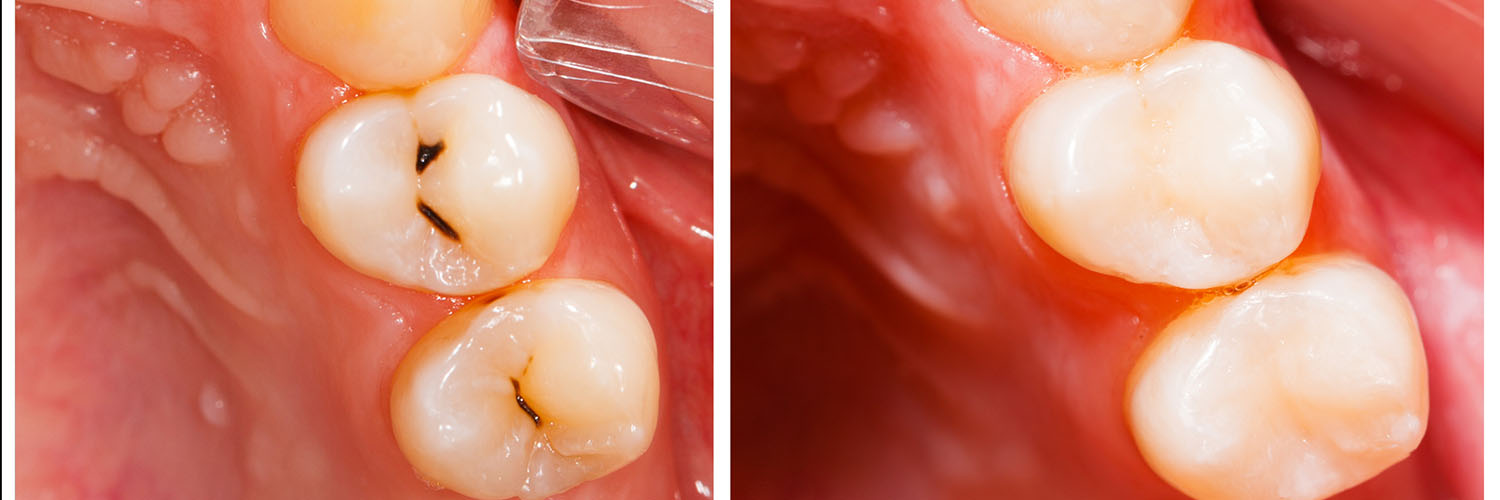
There is no single “best” filling material for every situation. The ideal choice depends on the location of the cavity, how much tooth structure remains, your bite, and whether you want the restoration to be discreet. We prioritize options that minimize long-term risk while meeting functional and cosmetic expectations.
Modern tooth-colored materials offer strong adhesion to tooth structure and allow us to preserve more healthy enamel and dentin. Metal-based options still have a role when maximum durability is required, particularly in areas that see heavy chewing forces.
We’ll discuss the pros and cons of each material and recommend what’s most appropriate for your individual case, balancing longevity, appearance, and preservation of tooth structure.
Composite fillings are made from a resin matrix with fine glass or ceramic fillers. They are matched to your tooth color and bond directly to the remaining tooth, which can reinforce the tooth and reduce the need to remove extra healthy material. Composites are versatile and commonly used for both front and back teeth when wear expectations are reasonable.
Because composites are placed in layers and cured with a light, technique and moisture control matter. When done correctly, they provide a lifelike result that blends with your smile, though they can be more prone to staining or wear over many years compared with some indirect restorations.
Amalgam restorations have a long track record for toughness and longevity, particularly in large posterior cavities that endure heavy chewing forces. While they don’t mimic the color of natural teeth, their mechanical strength makes them an appropriate choice in select situations where durability is the primary concern.
Glass ionomer materials bond chemically to the tooth and release fluoride over time, which can be helpful for patients at higher risk of recurrent decay. They are generally less wear-resistant than composite or ceramic materials, so they are often used in non-load-bearing areas, for temporary restorations, or for pediatric dentistry.
Ceramic restorations, fabricated outside the mouth and bonded into place, offer excellent wear resistance and a highly aesthetic outcome. They are typically used when a cavity is too large for a direct filling but the tooth doesn’t yet require a full crown. Ceramics can last many years when the preparation and bonding are done carefully.
Gold restorations are less common today but remain a durable and biocompatible option. They resist wear and maintain their fit over time. Because they require more extensive lab work and are visible, they are selected less frequently than tooth-colored alternatives in modern general practice.
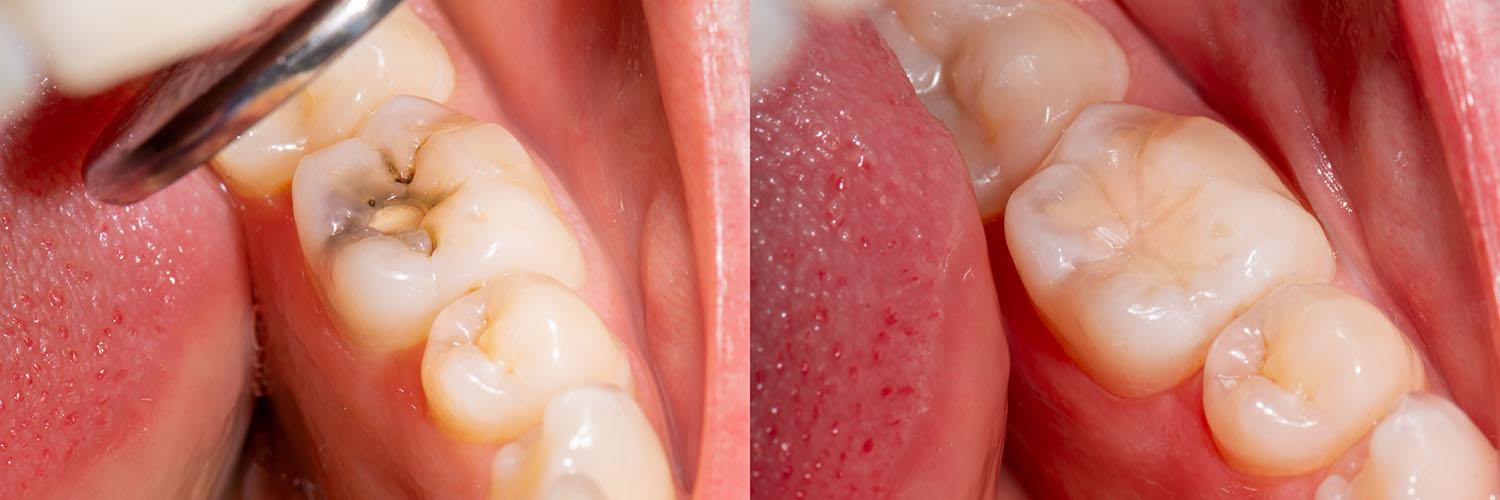
When you come in for treatment, we begin with a careful exam and any necessary x‑rays to fully understand the extent of the decay. From there, we’ll review the recommended approach and answer your questions so you feel comfortable with the plan before any work begins.
Most fillings can be completed in a single appointment. The tooth is numbed with local anesthesia when needed, decay is removed, and the tooth is shaped to receive the chosen material. For direct fillings such as composite or glass ionomer, placement and finishing occur that same visit; for larger indirect restorations, we may prepare the tooth, take impressions, and schedule a follow-up appointment to seat the final piece.
Our clinicians use techniques that minimize vibration and preserve tooth structure. If you feel anxious about dental procedures, please let our team know — we offer measures to enhance comfort and help patients relax during treatment, and we will explain those options to you.
After placement, we carefully check your bite, polish the restoration, and make any adjustments necessary to ensure a comfortable and functional result before you leave the office.
A new filling will feel slightly different at first as your mouth adjusts. Temporary sensitivity to temperature or pressure is common and typically settles within a few days. If sensitivity persists or becomes worse, contact our office so we can reassess the restoration and your bite.
Protecting a restoration starts with good daily habits — brushing twice a day with fluoride toothpaste, flossing once daily, and attending regular dental checkups and cleanings. These routines help prevent future decay at the margins of a filling and allow us to monitor the restoration’s condition over time.
Avoid using restored teeth as tools to open packages or chew on very hard objects, and be mindful of habits like ice chewing or nail biting that can stress a filling. With proper care, many restorations last for years before replacement becomes necessary.
Protecting soft tissues while numb
Because local anesthesia temporarily reduces sensation, take care not to bite or chew your lips and cheeks until feeling returns. Normal sensation typically comes back within an hour or two.
Adjustments are normal
It’s not uncommon for a newly placed filling to need a slight polish or bite refinement. If you notice unevenness when chewing, let us know so we can make fine adjustments that improve comfort.
Sensitivity and when to follow up
Mild sensitivity to hot or cold after a filling is common and usually temporary. If sensitivity increases or you experience persistent pain, contact our office so we can determine whether additional treatment is needed.
Maintenance and longevity
Fillings can wear or chip over time depending on location and bite forces. Regular dental visits allow us to catch wear early and extend the life of the restoration through timely maintenance or replacement when necessary.
If you have further questions about a specific restoration or want to learn which material is best for a particular tooth, our team is happy to help. Contact our office for more information or to schedule a consultation.
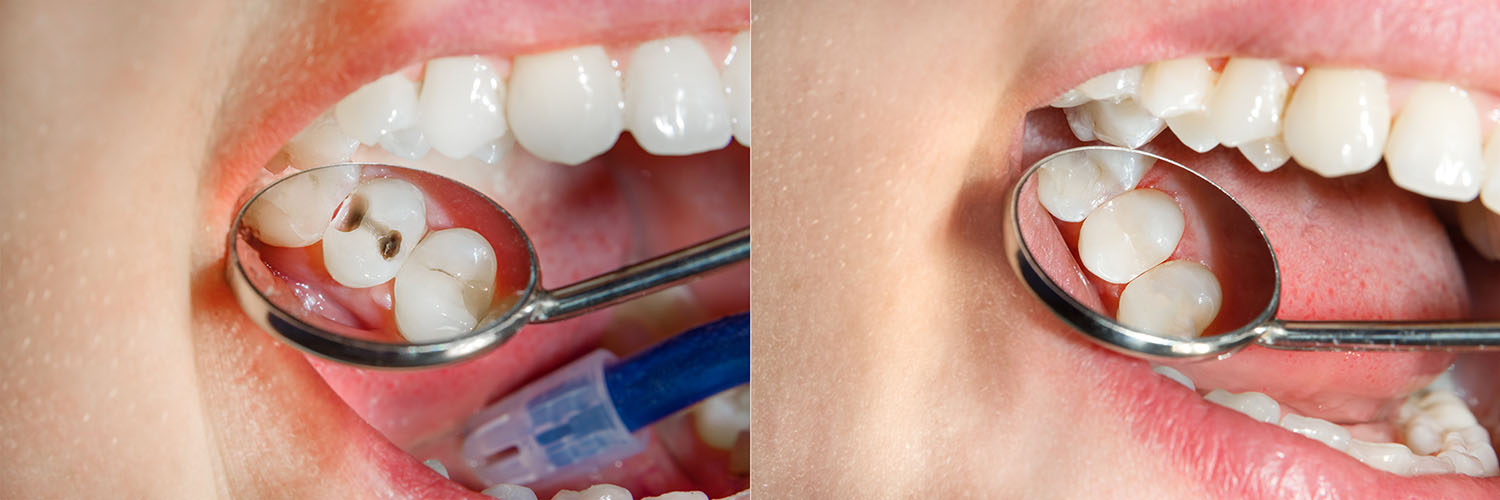
Dental fillings are restorations placed to repair teeth damaged by decay or minor injury and to restore normal shape and function. They seal the cavity to prevent bacteria from progressing deeper into the tooth and help protect vulnerable dentin and pulp. When placed properly, fillings preserve chewing ability and reduce the risk of more invasive treatment later on.
Fillings can be made from a variety of materials chosen for strength, appearance, and longevity, and they often blend with surrounding enamel for a natural look. Treating cavities early with a filling is usually more predictable and less disruptive than waiting until a larger restoration or root canal is required. Regular exams and timely treatment help maintain oral health and prevent small problems from becoming larger ones.
Common signs that a filling may be needed include new or increasing sensitivity to hot, cold, or sweets, sharp pain when biting, or a visible dark spot or hole in a tooth. Some cavities are not painful at first and are detected on routine x-rays or during clinical exams, which is why regular dental visits are important. If you notice any persistent changes in your teeth or bite, you should schedule an evaluation.
During an exam, the clinician will use visual inspection, probing, and radiographs to determine the extent of decay and whether a filling is the appropriate treatment. Early detection often allows for smaller, more conservative restorations that preserve healthy tooth structure. The recommended approach will be explained in plain language so you can make an informed decision about care.
Common restorative materials include composite resin (tooth-colored), amalgam (metal), glass ionomer cement, ceramic inlays/onlays, and gold or specialty alloys. Each material has trade-offs: composites offer excellent aesthetics and bonding, amalgam provides durable strength in high-load areas, glass ionomers release fluoride, and ceramics deliver superior wear resistance and appearance for larger restorations. Choice depends on the tooth's location, the size of the cavity, occlusal forces, and cosmetic priorities.
Your dentist will review the pros and cons of each option for your specific case, balancing durability, conservation of natural tooth, and how discreet you want the restoration to be. Some materials are placed directly in a single visit, while others require laboratory fabrication and bonding at a second appointment. The goal is to select a material that minimizes long-term risk while meeting functional and aesthetic needs.
Composite fillings are favored for their ability to match the natural tooth shade and bond to remaining enamel and dentin, which can help reinforce the tooth and allow for more conservative preparations. Because the material is placed in layers and cured with a light, it adapts closely to the cavity and provides a lifelike result that blends with adjacent teeth. This makes composites a strong aesthetic choice for both front and many back teeth when wear expectations are reasonable.
Technique and moisture control are important for a successful composite restoration, so clinical skill matters in placement and finishing. Over time composites can stain or show wear and may require polishing or replacement sooner than some indirect restorations, but they remain a versatile and widely used option for modern restorative dentistry. Your clinician will discuss expectations for longevity and care based on your bite and habits.
Ceramic inlays and onlays are typically recommended when a cavity is too large for a direct filling but the remaining tooth structure is sufficient to avoid a full crown. These restorations are fabricated in a dental laboratory or milled with CAD/CAM technology and then bonded into the prepared tooth, offering excellent fit, wear resistance, and aesthetics. They are particularly useful on back teeth where strength and a precise occlusal surface are important.
Because ceramics are made outside the mouth, they often require two appointments: one to prepare the tooth and take impressions or scans, and another to seat the final restoration. When bonded correctly, ceramic inlays and onlays can preserve more natural tooth structure than a crown while providing a durable, long-lasting solution. Your dentist will explain whether this approach or a different restoration best meets your functional and cosmetic goals.
Treatment begins with a careful exam and any necessary x-rays to determine the size and location of the cavity, followed by discussion of the recommended material and steps. Local anesthesia is used when needed to ensure comfort, the decay is removed, and the tooth is shaped to receive the chosen restoration. For direct fillings the material is placed and hardened or cured in the same visit, then finished and polished to restore form and function.
For larger or indirect restorations, the clinician may prepare the tooth and schedule a follow-up appointment to place the final piece after laboratory fabrication. Before you leave, the dentist will check and adjust your bite to make sure the restoration is comfortable and occlusion is correct. If you experience anxiety about procedures, talk to the team about measures to enhance comfort and relaxation during treatment.
Mild sensitivity to temperature or pressure is common after a new filling and usually resolves within a few days to weeks as the tooth adjusts. If sensitivity increases, if you notice sharp pain when biting, or if discomfort persists beyond a short period, contact your dental office for an evaluation to check the restoration and bite. Occasionally a minor adjustment or further treatment may be needed to resolve prolonged symptoms.
Protecting a restoration starts with routine oral hygiene—brushing twice daily with fluoride toothpaste, flossing once a day, and attending regular dental checkups. Avoid using teeth as tools or chewing very hard objects, and be mindful of habits like ice chewing or nail biting that can stress restorations. Regular dental visits allow the dentist to monitor wear and address any problems early to extend the life of the filling.
At Strohman Family Dental we emphasize conservative, evidence-based techniques and current materials to preserve as much healthy tooth structure as possible while restoring function and comfort. Our clinicians assess the extent of decay, evaluate bite forces, and consider aesthetic goals when recommending a material, aiming for a balance of longevity and natural appearance. We explain options clearly so patients understand what to expect and can choose a plan that fits their needs.
Comfort and patient education are part of the process, and we will discuss anesthesia options, procedural steps, and aftercare so you feel prepared for treatment. For larger restorations, we discuss alternative approaches such as inlays, onlays, or crowns when they better protect the tooth long term. Our objective is to deliver reliable restorations that support lasting oral health.
For children and patients with elevated decay risk, materials that release fluoride, such as glass ionomer cements, can be beneficial in certain situations because they can provide cariostatic benefits at the restoration margins. Minimally invasive techniques and smaller preparations help preserve tooth structure in primary and newly erupted permanent teeth, and behavior management strategies support a positive experience for young patients. Preventive measures like sealants, topical fluoride, and individualized home care instruction are often paired with restorative care when needed.
For high-risk adults, a comprehensive approach includes frequent monitoring, tailored hygiene routines, and risk-reduction strategies in addition to timely restorations. Restorative choices may prioritize materials and designs that reduce recurrent decay, and recall intervals can be adjusted to closely watch restoration margins. Open communication about oral hygiene, diet, and habits helps the dental team create a plan that supports long-term success.
Good daily habits are the foundation for protecting fillings: brush twice a day with fluoride toothpaste, floss daily, and maintain regular dental exams and cleanings so problems can be spotted early. Avoid chewing ice, hard candies, or other very hard objects that can chip or fracture restorations, and address habits like bruxism with an appropriate night guard if grinding is a concern. A balanced diet low in frequent sugary snacks also reduces the risk of new decay around fillings.
Prompt attention to any changes—such as new sensitivity, roughness, or visible wear—allows timely maintenance or repair and can extend the life of a restoration. At Strohman Family Dental we monitor restorations during routine visits and recommend preventive or restorative steps based on your individual needs to keep your smile healthy. Proactive care and regular communication with your dental team are the best ways to minimize future treatment.