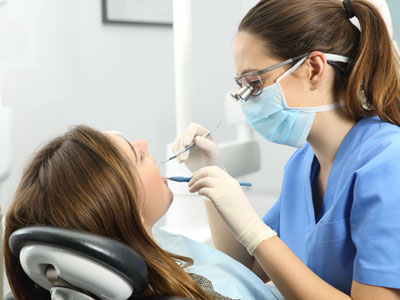
Good oral hygiene at home is the foundation of a healthy smile, but professional dental cleanings are the essential complement that helps keep your mouth at its best. Even the most diligent brushing and flossing routines can miss hardened deposits and tight spaces where bacteria thrive. Regular cleanings help remove buildup, allow early detection of issues, and keep both teeth and gums functioning comfortably — which is why our team emphasizes preventive visits as part of long-term oral health. Strohman Family Dental approaches cleanings as a proactive partnership between patients and clinicians.
Daily brushing and flossing reduce plaque, but over time plaque can calcify into tartar (calculus) that bonds to tooth surfaces and cannot be removed with a toothbrush alone. When left in place, these deposits provide a stable environment for bacteria that contribute to cavities and inflammation of the gums. Professional cleanings remove tartar and disrupt bacterial colonies to reduce the risk of disease progression.
Beyond the visible results, cleanings provide an opportunity for a trained hygienist to assess tissue health, identify early signs of decay, and monitor changes in gum tissue or restorations. Catching problems early often means simpler, less invasive care down the road. For many patients, routine visits are scheduled twice a year, though some individuals benefit from more frequent maintenance based on their oral health needs.
Regular professional care also supports overall well-being. Research has identified links between oral inflammation and systemic conditions; reducing oral bacteria and gingival inflammation is one practical way to support general health. Cleanings are therefore an important preventive step, not just a cosmetic service.
A professional cleaning begins with a careful review of your oral health history and a gentle examination of your teeth and gums. Our hygienist will note any areas of concern — such as deep pockets, bleeding, or worn restorations — and record measurements that help track changes over time. This initial assessment guides the cleaning and any follow-up recommendations.
Cleaning itself combines proven tools and techniques. Scaling removes hardened deposits from tooth surfaces and just below the gumline, using either hand instruments, ultrasonic scalers, or a combination of both. Once deposits are removed, polishing smooths the tooth surface and eliminates superficial staining, helping the teeth feel clean and look brighter.
After cleaning, the hygienist will floss, check bite and restoration contacts when needed, and offer practical guidance on at-home care tailored to your needs. For patients who are anxious or have sensitive teeth, simple comfort measures like topical gels or brief breaks during treatment ensure the appointment remains comfortable and manageable.
Not all cleanings are the same. Patients with healthy gums typically receive routine prophylaxis, while those showing signs of periodontal disease may need targeted periodontal maintenance or deeper scaling and root planing. Our team evaluates each mouth individually and recommends the approach that best reduces inflammation and bacterial load.
For patients experiencing gum bleeding, recession, or pockets that do not improve with home care, additional treatments or closer recall intervals may be advised. The goal is to restore and stabilize tissue health while preventing further attachment loss. When appropriate, we coordinate care with specialists to ensure comprehensive treatment plans.
Comfort and communication are central to this process. We take time to explain findings in plain language, outline practical steps for improvement, and schedule follow-ups that reflect your unique situation — all to make sure your mouth gets the care it needs without unnecessary complexity.
Professional cleanings do more than refresh your smile; they are a diagnostic opportunity. During the appointment, the clinician checks for early signs of decay, inspects existing restorations, evaluates soft tissues for abnormal changes, and screens for indicators that warrant closer monitoring. Early detection makes many issues easier to treat and helps avoid more extensive procedures later.
Cleanings also support everyday comfort and function. Removing plaque and tartar can reduce chronic bad breath, minimize tooth sensitivity caused by inflamed gums, and help maintain a stable foundation for fillings, crowns, and other dental work. Keeping your mouth healthy enhances chewing, speech, and confidence in social situations.
Maintaining gum health through professional care contributes to long-term tooth retention. For many people, a consistent preventive routine combining professional cleanings and good home care is the most effective strategy for preserving natural teeth throughout life.
A professional cleaning is only part of the picture; daily habits determine how long its benefits endure. Brushing twice a day with a fluoride toothpaste, using a soft-bristled brush, and spending two minutes per session helps remove surface plaque before it hardens. Focusing on gentle, thorough technique is more effective than aggressive scrubbing.
Interdental cleaning — whether floss, interdental brushes, or water flossers — reaches places a toothbrush can’t. Choosing the right tool for your smile makes a measurable difference in gum health. Diet also plays a role: limiting frequent sugary snacks and acidic beverages reduces the environment where harmful bacteria thrive.
Finally, be consistent with recall visits. Your hygienist will recommend the interval that best fits your needs, and adhering to that schedule keeps bacterial buildup under control and allows ongoing monitoring of any changes. Small daily actions combined with regular professional care make the healthiest smiles the most lasting ones.
In summary, dental cleanings are a cornerstone of preventive oral health — they remove deposits that home care can’t reach, allow early problem detection, and support overall comfort and function. Our practice is committed to delivering thorough, personalized cleanings and clear guidance so you can maintain a healthy smile for years to come. Contact us to learn more about how routine cleanings fit into your care plan and to schedule an appointment.
A professional dental cleaning is a preventive visit during which a licensed hygienist removes plaque and hardened tartar from tooth surfaces and along the gumline. This process combines scaling, polishing, and an oral assessment to reduce bacterial buildup and restore smoother tooth surfaces. Cleanings reach areas that daily brushing and flossing cannot, which helps lower the risk of cavities and gum inflammation.
Beyond removing deposits, a cleaning appointment includes monitoring of gum health, evaluation of restorations, and documentation of any changes to track over time. These visits serve as both treatment and early-detection opportunities so problems can be addressed before they become more complex. For many patients, regular cleanings are a cornerstone of maintaining long-term oral health and comfortable function.
Most patients benefit from cleanings every six months, a schedule that balances routine removal of bacterial buildup with practical recall intervals. However, ideal frequency varies based on individual risk factors such as a history of periodontal disease, smoking, diabetes, or a tendency to accumulate tartar quickly. Your hygienist or dentist will consider these factors when recommending a personalized recall plan.
At Strohman Family Dental, we assess each patient's risk profile during exams to determine whether more frequent visits are needed for optimal control. Some patients require three- or four-month maintenance, while others with low risk may maintain health with annual or semiannual care. Following the recommended schedule helps prevent progression of disease and reduces the need for more invasive treatments later.
A complete cleaning appointment starts with a review of medical history and a gentle oral exam to identify areas of concern such as bleeding, deep pockets, or restoration issues. The clinician records measurements that serve as a baseline for future comparisons and to guide the treatment plan. Scaling follows, using hand instruments, an ultrasonic scaler, or both to remove deposits above and below the gumline.
After scaling, polishing smooths the tooth surface and removes superficial staining, and the hygienist flosses to ensure interproximal areas are clean. Additional services such as fluoride application or bite and restoration checks may be completed when indicated. At Strohman Family Dental, clinicians explain findings in plain language and provide tailored home care recommendations to address specific needs.
Cleanings are generally well tolerated and are not considered painful for most patients, though some sensitivity or pressure may be felt during scaling. Areas with inflamed gums or exposed root surfaces can be more sensitive, especially early in treatment. Hygienists use gentle techniques and may apply topical desensitizing gels to improve comfort when needed.
For patients who feel anxious or have a low pain threshold, the team can offer short breaks, distraction techniques, and clear communication to keep the appointment manageable. If a patient experiences significant discomfort, clinicians reassess the approach and may stage treatment across multiple visits. Open communication before and during treatment is the simplest way to ensure a comfortable experience.
Routine prophylaxis, periodontal maintenance, and scaling and root planing are different approaches used depending on gum health and the severity of disease. Prophylaxis is a preventive cleaning for healthy gums, while periodontal maintenance follows active therapy to control chronic disease. Scaling and root planing is a deeper cleaning that reaches the root surfaces to remove bacteria and infected tissue when pockets are present.
The choice of treatment is guided by pocket depths, bleeding on probing, and the patient's response to home care. Patients who need periodontal therapy typically receive a tailored plan that includes closer monitoring and more frequent hygiene visits. When appropriate, the practice coordinates care with specialists to provide comprehensive management of advanced cases.
Oral inflammation and bacterial overgrowth have been linked in studies to systemic conditions such as cardiovascular disease and diabetes, so maintaining a healthy mouth can contribute to overall well-being. Reducing the bacterial load and resolving gum inflammation are practical steps that may lower systemic inflammatory markers associated with these risks. While dental cleanings are not a cure for systemic disease, they are an accessible preventive measure that supports general health.
During routine care clinicians screen for signs that may warrant medical collaboration, such as unusual mucosal changes or poorly controlled periodontal inflammation. When findings suggest a systemic connection, the dental team communicates with the patient's medical providers to support coordinated care. Regular cleanings are therefore part of a broader health strategy rather than solely a cosmetic or isolated dental service.
To prepare for a cleaning, bring an updated list of medications and any recent medical or dental changes that could affect treatment. Inform the team about new diagnoses, allergies, or medications that influence bleeding or healing so the visit can be planned safely. Arriving a few minutes early and completing any new patient paperwork helps keep the appointment on schedule.
No special fasting is required, but patients should brush and floss before the appointment to reduce surface debris and make the hygienist's job easier. If you have dental anxiety, mention it when scheduling so the team can discuss comfort options in advance. Bring a list of questions or concerns to ensure the visit addresses your priorities and clarifies home care steps.
After a thorough cleaning patients may experience mild gum tenderness or increased sensitivity to hot and cold for a short period, especially if heavy deposits were present. Minor bleeding when flossing can persist for a day or two in areas that were inflamed prior to treatment. These reactions generally subside as tissues heal and respond to improved oral hygiene.
The hygienist will review at-home care steps and recommend desensitizing toothpaste or topical products if sensitivity persists. If unusual pain, swelling, or prolonged bleeding occurs, patients should contact the office so clinicians can assess for complications. Keeping scheduled recall visits ensures that any ongoing problems are identified and managed promptly.
Dental cleanings for children and teenagers are adapted to developmental needs, focusing on gentle education and building habits that last a lifetime. Pediatric cleanings emphasize teaching proper brushing and interdental techniques and may include topical fluoride or sealant recommendations when appropriate. Early, positive experiences with routine care help reduce fear and improve cooperation as children grow.
Adolescents with orthodontic appliances often need more frequent or targeted hygiene visits to control plaque around brackets and wires. Clinicians provide specific tools and instructions for cleaning around appliances and monitor for enamel decalcification. A consistent preventive program during childhood lays the foundation for healthier adult dentition.
To make a professional cleaning last longer between visits, focus on consistent daily habits such as brushing twice a day, flossing once daily, and using interdental cleaners where needed. Choosing a soft-bristled brush and practicing two-minute sessions with a fluoride toothpaste significantly reduces plaque accumulation. Daily interdental cleaning removes bacteria from contact areas that are most prone to tartar formation.
Dietary choices also influence how quickly buildup forms, so limiting frequent sugary snacks and acidic drinks helps maintain a healthier oral environment. Avoiding tobacco products and managing conditions like dry mouth improves long-term outcomes. Following the recall interval recommended by your hygienist ensures professional removal of deposits before they contribute to disease.