At the office of Strohman Family Dental, we combine thoughtful craftsmanship with modern dental technology to restore teeth that have been weakened by decay, injury, or long-term wear. Our approach focuses on preserving as much healthy tooth structure as possible while delivering restorations that look natural and perform reliably for years.
Even though enamel is the hardest substance in the body, teeth are still susceptible to fractures, decay, and the cumulative effects of grinding or previous dental work. In many cases a filling can repair limited damage, but when a tooth has lost significant structure a full-coverage crown becomes the more durable and predictable choice.
Advances in ceramic materials have transformed crown options. Modern all-ceramic crowns offer strength, biocompatibility, and lifelike esthetics without the need for metal substructures. That means patients can have restorations that both protect oral function and blend seamlessly with their smile.
Patient comfort, clear communication, and long-term results guide every treatment decision in our practice. We tailor each crown to the individual’s functional needs and cosmetic goals so the final restoration supports chewing efficiency, oral health, and a confident appearance.
A crown is a full-coverage restoration that surrounds and protects the visible portion of a tooth. Dentists typically recommend crowns when a tooth’s remaining structure is insufficient to support a filling or when additional reinforcement is needed to prevent further damage.
Some common situations where a crown is the preferred restoration include teeth that have large cavities, have been fractured, or have had extensive previous restorations. Crowns also serve an important role after root canal therapy, where they strengthen and seal the treated tooth.
Crowns are also used when replacing a missing tooth with an implant or when restoring abutment teeth that support a bridge. Beyond function, crowns can correct misshapen, discolored, or undersized teeth when conservative cosmetic changes are desired.
To rebuild a tooth that has been extensively damaged by decay or trauma
To replace a large or broken dental filling that no longer provides adequate strength
To restore a dental implant with a stable, custom-made crown
To support the teeth that serve as anchors for a traditional dental bridge
To protect a tooth after root canal treatment and prevent fracture
To improve the appearance of a tooth that is misshapen, darkly stained, or proportionally small
To address bite issues that compromise tooth longevity or cause discomfort

All-ceramic crowns have matured significantly over the past decade. Today’s ceramic materials combine improved fracture resistance with optical properties that mimic the translucency and depth of natural enamel, making them a top choice for patients who prioritize both strength and appearance.
Because they are metal-free, ceramic crowns eliminate concerns about visible metal margins at the gumline and reduce the chance of allergic reaction in patients sensitive to metal. They are also highly resistant to staining, which helps maintain a consistent appearance over time.
Another practical benefit is that many ceramic systems allow for conservative tooth preparation. Thinner restorations can often be used without compromising strength, meaning more of the natural tooth can be preserved—an important factor in long-term oral health.
Beyond esthetics and tissue compatibility, modern ceramics have mechanical properties that make them suitable for both front and posterior teeth. With the right material choice, ceramics provide durable performance under the stresses of daily chewing.
Replicate the light transmission and surface texture of natural teeth for a highly lifelike result
Require less tooth reduction in many cases, preserving more natural structure
Lighter weight and metal-free construction that’s kinder to surrounding gums and soft tissues
Highly resistant to stains and discoloration over time
Safer for patients with sensitivities to metal components
Avoid the dark line at the gumline that can occur with some metal-backed crowns
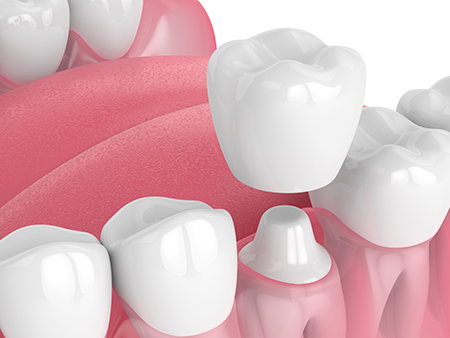
Not all ceramic crowns are identical. The ideal material is chosen based on the tooth’s position, the amount of bite force it must withstand, and the aesthetic demands of the case. Matching material properties to functional needs produces the most predictable long-term outcome.
For front teeth where appearance is paramount, ceramics that offer high translucency and the ability to layer porcelain are often preferred. For back teeth, where occlusal forces are greater, stronger ceramic formulations provide additional durability while still delivering good esthetics.
Some commonly used ceramic options include lithium disilicate for its balance of strength and beauty, leucite-reinforced ceramics for excellent optical qualities, and zirconia for outstanding fracture resistance—available in monolithic forms for durability or in high-translucency variants for improved aesthetics.
Our team assesses each smile’s functional dynamics and visual goals to recommend the ceramic that best meets those needs. That recommendation takes into account opposing teeth, bite patterns, and the desired final appearance so the crown integrates seamlessly with the rest of the dentition.
Lithium disilicate porcelain crowns — strong and esthetic for many anterior and posterior cases
Leucite-reinforced pressable porcelain — prized for lifelike translucency in cosmetic zones
Solid or monolithic zirconia — extremely durable for heavy bite forces and posterior restorations
High-translucent zirconia — blends strength with improved esthetic qualities for visible areas

A successful crown begins with careful planning. We evaluate tooth structure, gum health, bite relationships, and any underlying issues such as cracked tooth syndrome or root canal history. When appropriate, we use digital imaging and impressions to precisely map the tooth and surrounding tissues.
The clinical process typically involves preparing the tooth, taking detailed digital or conventional impressions, and fabricating a provisional restoration as needed. Lab-fabricated or in-office-milled crowns are then customized and finished to match adjacent teeth in color, shape, and surface texture.
Before bonding the final crown, we verify fit, contacts, and bite relationships to ensure the restoration will function comfortably. Proper cementation technique and careful polishing help protect the margins and supporting gum tissue, setting the stage for a long-lasting restoration.
We also provide instruction on home care and maintenance. Although ceramic crowns are durable, maintaining good oral hygiene, protecting teeth from excessive wear, and attending regular dental checkups all contribute to the restoration’s longevity.
When you choose our practice for a ceramic crown, you can expect personalized care that balances aesthetics, function, and long-term health. We discuss material choices, outline the treatment sequence, and answer your questions so you feel confident about the selected approach.
Our team focuses on clear communication and gentle, thorough clinical techniques throughout every appointment. We coordinate with dental laboratories and use proven materials to ensure your crown meets both visual and functional expectations.
Whether you are repairing a broken tooth, protecting a tooth after root canal therapy, or improving the appearance of a single tooth, we aim to deliver a restoration that feels natural and preserves your oral health for the future.
If you’d like to learn more about ceramic crowns or discuss whether one is the right option for your smile, please contact us for more information.
A ceramic crown is a full-coverage dental restoration made from advanced ceramic materials that mimic the color and light transmission of natural teeth. It encases the visible portion of a damaged or weakened tooth to restore shape, strength, and function. Ceramic crowns are metal-free and are designed to provide a lifelike appearance while protecting the underlying tooth structure.
These restorations are crafted to match adjacent teeth in shade and texture, making them a common choice for visible areas of the smile. Because modern ceramics combine esthetic and mechanical properties, they are suitable for many situations where both appearance and durability matter. Your dentist will explain how a ceramic crown differs from other restorative options and why it may be recommended for your specific needs.
Dentists typically recommend a crown when a tooth has lost substantial structure that cannot be predictably restored with a filling. Common indications include large cavities, fractured teeth, extensive previous restorations, or a tooth that has been weakened by wear or bruxism. Crowns are also advised after root canal treatment to reinforce and seal the treated tooth.
Additionally, crowns serve as the final restoration for dental implants and can support teeth that anchor a fixed bridge. They are often used to correct esthetic concerns such as misshapen, discolored, or undersized teeth when conservative cosmetic changes are desired. Your provider will evaluate functional needs and cosmetic goals before recommending a crown as the appropriate treatment.
Ceramic crowns are metal-free and therefore avoid the visible dark margins that can occur with some metal-backed restorations. This metal-free construction improves soft-tissue compatibility and eliminates concerns for patients with metal sensitivities. Modern ceramics also offer improved translucency and surface texture that more closely resemble natural enamel.
By contrast, porcelain-fused-to-metal crowns contain a metal substructure that can provide strength but may compromise esthetics in certain cases. Solid metal crowns are very durable but are typically used in nonvisible areas due to their metallic appearance. Material selection balances esthetics, strength, and the functional demands of the tooth being restored.
Several ceramic formulations are available, and each offers a different balance of strength and esthetics. Lithium disilicate is valued for its combination of durability and lifelike appearance, making it a versatile choice for many anterior and posterior cases. Zirconia provides exceptional fracture resistance and is often selected for posterior teeth or situations with high occlusal forces.
Other options include leucite-reinforced ceramics, which are prized for their translucency in cosmetic zones, and high-translucent zirconia that blends improved esthetics with strength. The ideal material is chosen based on tooth position, bite forces, and the cosmetic demands of the case. Your dentist will discuss material properties and recommend the best option for your situation.
Choosing the right ceramic involves an assessment of the tooth's location, the amount of remaining tooth structure, and the forces generated during chewing. The dentist will consider opposing teeth, the patient’s bite pattern, any parafunctional habits, and the esthetic goals for the restoration. This comprehensive evaluation helps match material properties to the functional and visual needs of the case.
Digital imaging and diagnostic records often support this decision by revealing occlusal relationships and tooth anatomy. When appearance is the primary concern, materials with higher translucency and layering capability may be selected. For high-stress areas, more robust ceramic systems are typically recommended to ensure long-term performance.
The process begins with a thorough examination that includes evaluation of tooth structure, gum health, and bite dynamics. The tooth is prepared by removing any decay and shaping it to receive the crown, followed by detailed impressions or digital scans to capture exact dimensions for fabrication. A provisional restoration may be placed while the final crown is fabricated by a laboratory or milled in-office.
At the placement appointment the fit, contacts, and occlusion are verified before final bonding or cementation. Proper cementation technique and polishing protect the margins and supporting gum tissue to promote a healthy long-term outcome. The office team will review home care and follow-up recommendations to help the restoration last and function well.
Caring for a ceramic crown involves the same fundamentals as maintaining natural teeth: effective daily brushing and interproximal cleaning. Use a soft-bristled toothbrush and fluoride toothpaste, and clean between teeth with floss or interdental cleaners to prevent plaque buildup around the crown margins. Consistent oral hygiene reduces the risk of decay at the crown margins and supports gum health around the restoration.
Patients should also minimize habits that place excessive force on the restoration, such as chewing hard objects or using teeth as tools. If you grind or clench your teeth, discuss protective options with your dentist to reduce wear and the risk of fracture. Regular dental checkups allow the team to monitor the crown and address any concerns early.
Ceramic crowns are designed to provide durable service when fabricated and placed correctly, and when supported by good oral hygiene and healthy surrounding tissues. Longevity depends on several factors including the chosen material, the quality of the preparation and cementation, bite forces, and the patient’s oral habits. Routine dental visits and prompt attention to any changes in fit or comfort also play an important role in how long a crown lasts.
Maintaining healthy gums and controlling decay in adjacent teeth helps preserve the integrity of the restoration. Avoiding excessive force and addressing parafunctional habits reduces the likelihood of chipping or fracture. Your dentist will discuss realistic expectations for durability based on your individual circumstances and the material selected for the crown.
Yes, ceramic crowns are commonly used to restore teeth after root canal therapy because they provide full coverage and strengthen the treated tooth. Crowns help protect the remaining tooth structure from fracture and seal the tooth against bacterial ingress, supporting long-term function. The decision to place a crown following endodontic treatment is based on the amount of remaining structure and the tooth’s functional demands.
Ceramic crowns are also routinely used as final restorations for dental implants, where a custom crown is attached to an abutment or directly to the implant. Implant-supported ceramic crowns are fabricated to achieve proper occlusion and esthetics while preserving surrounding tissues. The restorative team coordinates prosthetic design and material selection to ensure a predictable outcome.
Modern ceramic materials are biocompatible and well tolerated by gum tissues, which helps support a healthy soft-tissue environment around the restoration. Because ceramic crowns are metal-free they reduce the likelihood of galvanic reactions or metal sensitivities that can occur with other materials. Properly finished margins and careful cementation technique are important to maintain healthy gums and prevent irritation.
The dental team evaluates periodontal health before crown placement and addresses any inflammation or gum disease to optimize the outcome. With meticulous clinical technique and good oral hygiene, ceramic crowns integrate well with surrounding tissues and contribute to both the function and appearance of the smile. If you have concerns about materials or tissue response, discuss them with your dentist for personalized guidance.